
























In vitro fertilization (IVF) is a popular treatment for infertility, originally known as “test-tube babies”. The procedure requires the eggs to be fertilized with sperm in the lab to create an embryo or embryos. Then, the embryos are implanted into the uterus. IVF can be carried out using either the couple own eggs and sperm or those of anonymous donors. Here are some facts you need to know before getting IVF.

Causes of infertility that IVF can treat
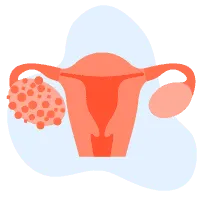
IVF may be the solution to your fertility problem if you or your partner have: endometriosis, low sperm counts, ovulation disorders, uterus or fallopian tube conditions, sperm inability to fertilize the eggs and other unexplained fertility issues.
How it works
At the beginning, the woman will be administered hormone therapy into the vein to stimulate multiple follicles to develop inside the ovary. Then, these will be collected and then fertilized in a test-tube (Hence the name test-tube babies). After the embryos are formed, one or more will be transferred through the vagina to the uterus.
The success rates of IVF
The success of the treatment depends on many elements, such as how well the procedure was carried out, the causes of infertility, women’s health and her age. In particular, the rate of pregnancy was 66% of all cycles and 60% of cycles resulting in live births for the age under 35. The decline in live birth success rates by female age beginning at about age 30.
What happens to unused embryos?
Multiple embryos being implanted can increase the chance of conception. However, so does the chance of a multiple pregnancy, which is dangerous for the mother and her babies. In this case, a fetal reduction is required to lower the risk. Since fetal reduction is a difficult choice, both ethically and emotionally, some couple may choose to transfer only one embryo. The spare embryos will be frozen for later use or donated to other couples.
Cost and side-effects
The actual price may vary according to your location, medications and your insurance policy. It is common to experience mild cramping, bloating, and a small amount of clear or blood-tinged fluid after the procedure. But if you have vaginal bleeding, pelvic pain, blood in the urine or high fever, you have to call your doctor immediately.
IVF is usually the last resort infertile couples turn to when other treatments such as medicines, surgery and artificial insemination have failed. Though IVF is probably the most effective method to conceive a child, it is time-consuming and expensive. Before getting IVF, make sure to consult carefully with your doctor, go through all of your options and be prepared emotionally and financially since almost all couples are not successful on their first cycle.
Hello Health Group does not provide medical advice, diagnosis or treatment.