
Jaminan Produk Asli 100%






















West Nile Virus Infection
Know the basics
What is West Nile virus infection?
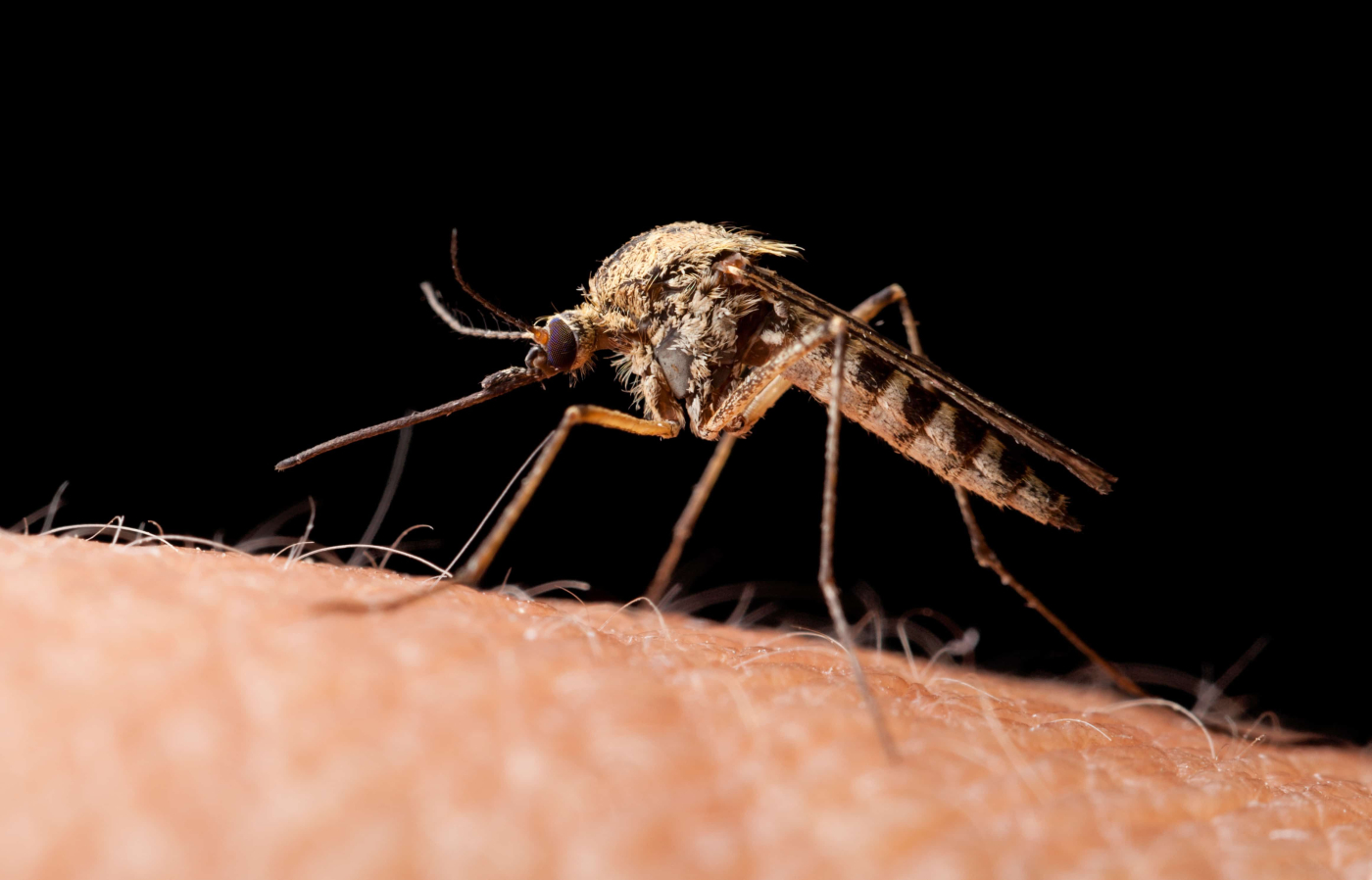
West Nile Virus Infection is an infectious disease. You are likely to get the disease when an infected mosquito transmits the virus to your body. Rarely, West Nile Virus can cause serious illness of the brain such as meningitis.
How common is West Nile virus infection?
Older people, especially adults older than 50 and those with weakened immune systems are most at risk of getting West Nile Virus Infection.
Know the symptoms
What are the symptoms of West Nile virus infection?
As about 70 – 80% people who become infected with West Nile Virus Infection, you may not develop any signs or symptoms. If you develop a mild infection called West Nile fever, common signs and symptom may include:
- Fever.
- Headache.
- Body aches, back pain.
- Fatigue.
- Skin rash (occasionally).
- Swollen lymph glands (occasionally).
- Eye pain (occasionally).
Serious infection signs and symptoms possibly include:
- High fever.
- Severe headache.
- Stiff neck.
- Disorientation or confusion.
- Stupor or coma.
- Tremors or muscle jerking.
- Lack of coordination.
- Convulsions.
- Pain
- Partial paralysis or sudden muscle weakness.
There may be some signs or symptoms not listed above. If you have any concerns about a symptom, please consult your doctor or pharmacist.
When should I see my doctor?
Mild symptoms of West Nile fever usually disappear on their own. However, if you experience any signs and symptoms of serious infection such as high fever, severe headache or stiff neck, contact your doctor immediately.
Know the causes
What causes West Nnile virus infection?
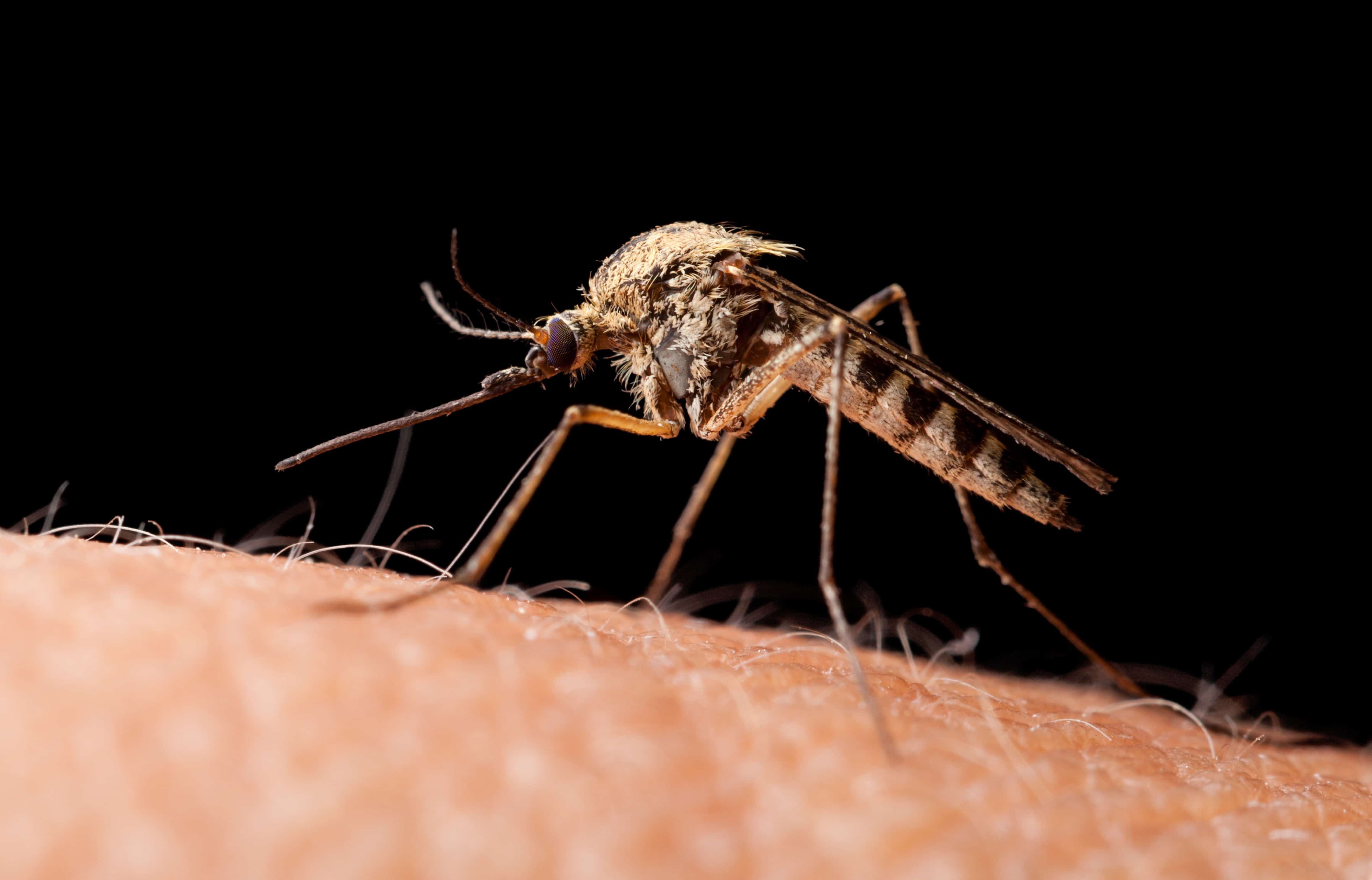
The virus that causes West Nile Virus Infection can be found in many places in nature, and it infects many birds and certain mammals. Most often, mosquitoes gets infected by biting those infected birds, and you will get West Nile Virus Infection if you get bitten by those mosquitoes.
You cannot get infected by touching or kissing a person with the virus.
Know the risk factors
What increases my risk for West Nile virus infection?
There are many risk factors for West Nile Virus Infection, such as:
- Time of year. Summer weather is the ideal environment for mosquitoes to develop and active. You are likely at risk of getting West Nile Virus Infection when summer comes.
- Time spent outside. You have a greater chance of being bitten by an infected mosquito if you work or spend time outdoors.
- If you are older than age 50, you possibly can get West Nile Virus Infection.
- Health. If you have weakened immune system, such as after receiving an organ transplant with anti-rejection medication, HIV or using corticosteroid, you are likely to get West Nile Virus Infection easily.
Understand the diagnosis & treatment
The information provided is not a substitute for any medical advice. ALWAYS consult with your doctor for more information.
How is West Nnile virus infection diagnosed?
With the following tests, you doctor can confirm whether you have West Nile Virus Infection or any West Nile Virus Infection complications:
- Laboratory test. You doctor may direct you to have a blood test to determine the rising level of antibodies to the West Nile virus. A positive Ribonucleic Acid (RNA) test for the West Nile virus also is an indicator that you have the virus.
- Lumbar puncture (Spinal tap). Analyzing the cerebrospinal fluid surrounding your brain and spinal cord will help the doctor diagnose whether you have a meningitis.
- Brain Tests. You may need MRI scan or electroencephalography (EEG) to detect a brain inflammation.
How is West Nile virus infection treated?
Most signs and symptoms of West Nile Virus Infection go away, and you can recover without treatment.
In some cases, your doctor may prescribe OTC pain medications to help ease mild headaches, fever and muscle aches. Do not use the pain medications regularly without consulting with your doctor. Ask your doctor if you have any concerns.
In some severe cases, you might need to be hospitalized so your doctor can give you supportive treatment, such as intravenous fluid, painkillers and nursing care, as well as prevent other types of infections.
If you have brain infections, you might need several weeks staying at the hospital to recover.
Lifestyle changes & home remedies
What are some lifestyle changes or home remedies that can help me manage West Nnile virus infection?
The following lifestyles and home remedies might help you cope with West Nile Virus Infection:
- Always follow your doctor’s advice and direction.
- Tell your doctor about your medical problems so your doctor can give you the best treatment. Especially, if you are pregnant or breast feeding.
- Always call your doctor immediately if your symptoms get worse. Headache, neck pain and stiffness, eye pain or high fever might be the signs of a serious infection.
If you have any questions, please consult with your doctor to better understand the best solution for you.
Hello Health Group does not provide medical advice, diagnosis or treatment.
Penafian
Hello Health Group tidak menawarkan nasihat perubatan, diagnosis atau rawatan.
Ferri, Fred. Ferri’s Netter Patient Advisor. Philadelphia, PA: Saunders / Elsevier, 2012. Print. (Bonus Handouts)
http://www.nlm.nih.gov/medlineplus/westnilevirus.html
http://www.cdc.gov/westnile/symptoms/index.html
Versi Terbaru
12/05/2020
Ditulis oleh Na Phan
Fakta Disemak oleh Hello Doktor Medical Panel
Diperbaharui oleh: Asyikin Md Isa


Fakta Disemak oleh
Hello Doktor Medical Panel
 Iklan
IklanAdakah artikel ini bermanfaat?
IklanIklan