
Jaminan Produk Asli 100%

























Sweating and body odor
Definition
What are sweating and body odor?
Sweating and body odor are facts of life for most people. Heavy perspiration and body odor can happen when you exercise, when you’re too warm, or when you’re nervous, anxious or under stress.
Your body has two main types of sweat glands, and they produce two very different types of sweat. Both types are odorless, but the type of sweat produced in your armpits and groin smells bad when it combines with bacteria found normally on your skin.
Unusual changes in sweating — either excessive perspiration (hyperhidrosis) or little or no perspiration (anhidrosis) — can be cause for concern. Likewise, changes in body odor may be a sign of a medical problem. Lifestyle and home treatments can usually manage symptoms caused by normal sweating and body odor effectively.
How common are sweating and body odor?
This sweating and body odor are extremely common. Please discuss with your doctor for further information.
Symptoms
What are the symptoms of sweating and body odor?
The common symptoms of sweating and body odor are:
- You suddenly begin to sweat much more or less than usual
- Sweating disrupts your daily routine
- You experience night sweats for no apparent reason
- You notice a change in your body odor
There may be some symptoms not listed above. If you have any concerns about a symptom, please consult your doctor.
When should I see my doctor?
If you have any signs or symptoms listed above or have any questions, please consult with your doctor. Everyone’s body acts differently. It is always best to discuss with your doctor what is best for your situation.
Causes
What causes sweating and body odor?
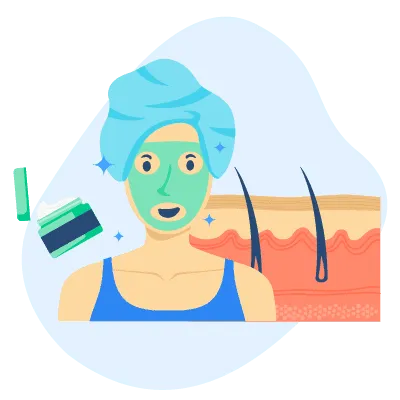
Your skin has two main types of sweat glands: eccrine glands and apocrine glands. Eccrine glands occur over most of your body and open directly onto the surface of the skin. Apocrine glands develop in areas abundant in hair follicles, such as your armpits and groin, and they empty into the hair follicle just before it opens onto the skin surface.
When your body temperature rises, your eccrine glands secrete fluid onto the surface of your skin, where it cools your body as it evaporates. This fluid is composed mainly of water and salt.
Apocrine glands produce a milky fluid that most commonly is secreted when you’re under emotional stress. This fluid is odorless until it combines with bacteria found normally on your skin.
Risk factors
What increases my risk for sweating and body odor?
Please discuss with your doctor for further information.
Diagnosis & treatment
Diagnosis & treatment
The information provided is not a substitute for any medical advice. ALWAYS consult with your doctor for more information.
How is sweating and body odor diagnosed?
Your doctor will ask about your medical history and conduct a physical exam. He or she may order blood or urine tests to determine if your problem is being caused by an underlying medical condition, such as an infection, diabetes or an overactive thyroid (hyperthyroidism).
How is sweating and body odor treated?
If you’re concerned about sweating and body odor, the solution may be simple: an over-the-counter antiperspirant and deodorant.
- Antiperspirants contain aluminium-based compounds that temporarily block sweat pores, thereby reducing the amount of perspiration that reaches your skin.
- Deodorants can eliminate odor but not perspiration. They’re usually alcohol-based and turn your skin acidic, making it less attractive to bacteria. Deodorants often contain perfume fragrances intended to mask odor.
If over-the-counter antiperspirants don’t help control your sweating, your doctor may prescribe aluminum chloride (Drysol, Xerac AC).
Prescription antiperspirants are strong solutions that can cause red, swollen and itchy skin in some people. If irritation develops, wash the medication off in the morning.
Lifestyle changes & home remedies
What are some lifestyle changes or home remedies that can help me manage sweating and body odor?
The following lifestyles and home remedies might help you cope with sweating and body odor:
- Keep yourself squeaky clean
- Use antibacterial soap
- Towel off thoroughly
- Apply “Industrial strength’ Deodorants or antiperspirants
- Keep your wardrobe squeaky clean
- Cut out or cut down “Offensive’ Foods or drinks
If you have any questions, please consult with your doctor to better understand the best solution for you.
Hello Health Group does not provide medical advice, diagnosis or treatment.
Penafian
Hello Health Group tidak menawarkan nasihat perubatan, diagnosis atau rawatan.
Sweating and body odor. http://www.mayoclinic.org/diseases-conditions/sweating-and-body-odor/home/ovc-20307975. Accessed September 13, 2017.
6 Tips for Reducing Body Odor. http://www.webmd.com/skin-problems-and-treatments/reduce-body-odor. Accessed September 13, 2017.
Versi Terbaru
12/05/2020
Ditulis oleh Phuong Tran
Fakta Disemak oleh Hello Doktor Medical Panel
Diperbaharui oleh: Ahmad Wazir Aiman Mohd Abdul Wahab


Fakta Disemak oleh
Hello Doktor Medical Panel
 Iklan
IklanAdakah artikel ini bermanfaat?
IklanIklan