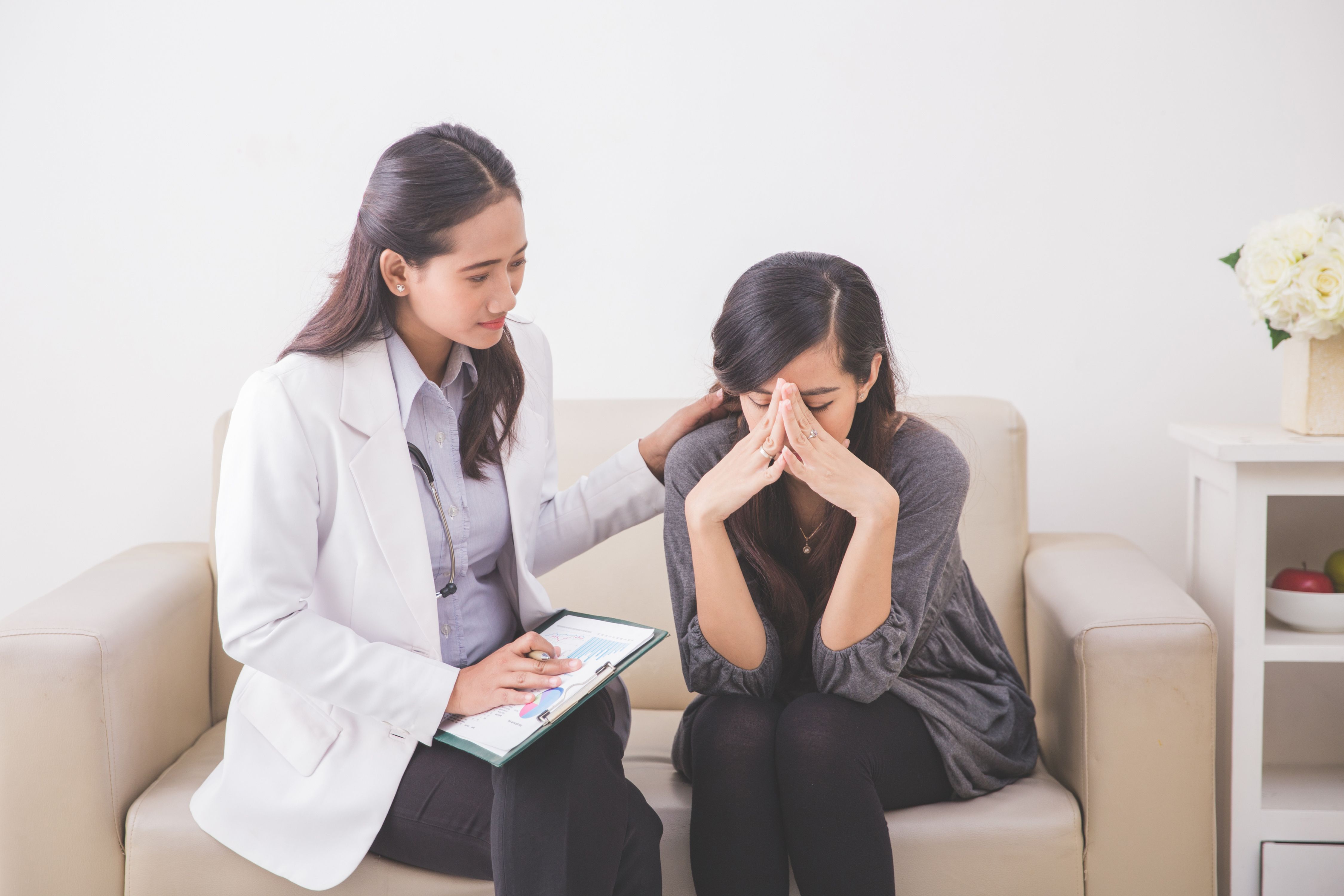












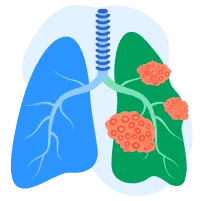











With lung cancer, depression is a natural reaction. If your child has lung cancer, they might have depression as well. Depression can happen to anyone at any age.
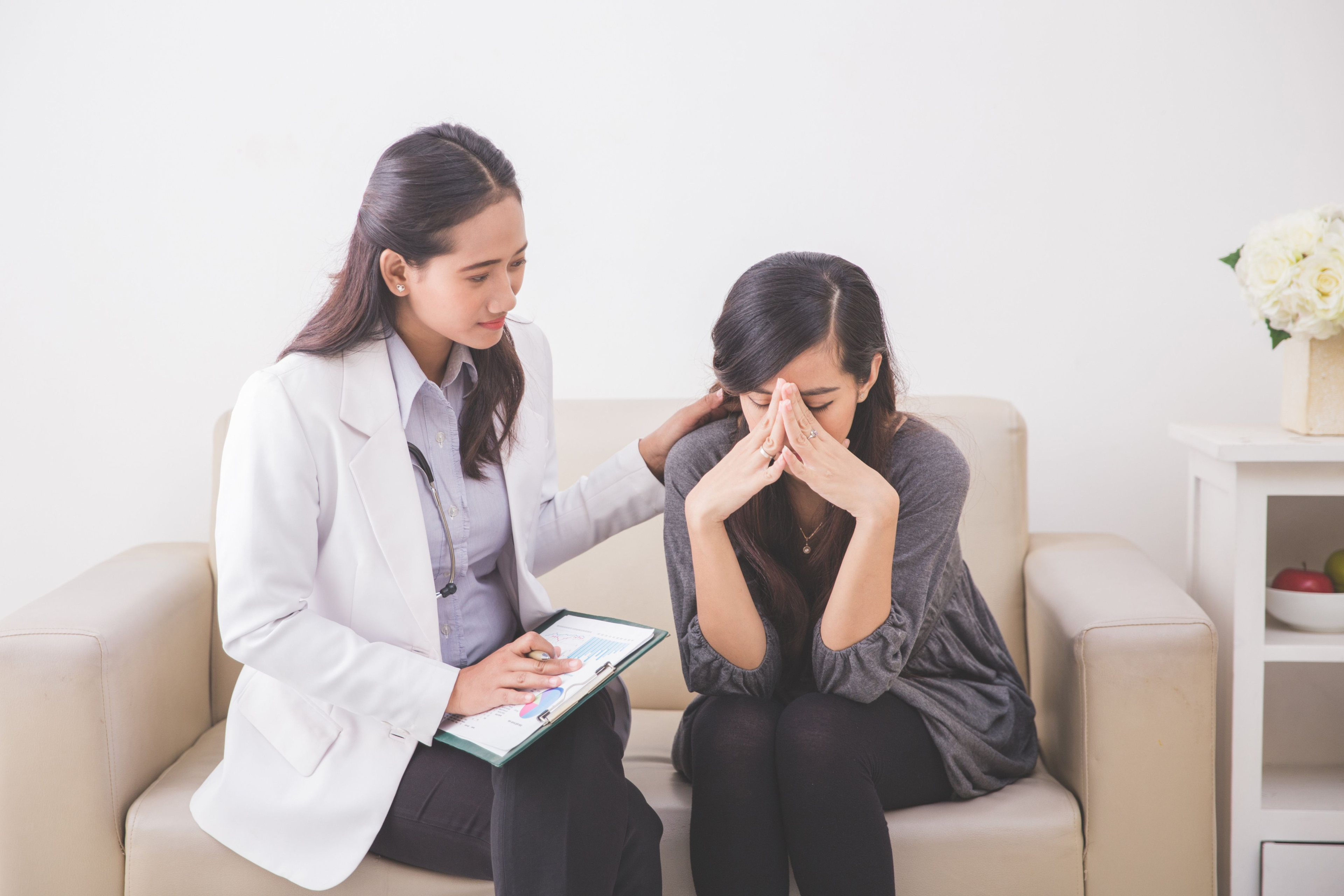
Depression is very common in people with any type of cancer, affecting up to 25 percent of people diagnosed with the disease. But with lung cancer, the percentage is higher: One recent study found that 29 percent of participants had depression.
This high number of depression in lung cancer might be because most people with lung cancer are current or past smokers. This guilt in children leads to depression with lung cancer.
Another reason is that lung cancer brings more pain than any other type of cancers. Pain can often contribute to depression.
How can I tell if my child is depressed?
Even if it is your child, it can be hard to tell what they are thinking and feeling. Doctors have said that the obvious signs to look out for include a low mood and unhappiness, with tearfulness or irritability that may not be related to anything specific. You should notice for any changes in behavior or mood. If your child who normally is social and happy all of a sudden is spending more time alone in his or her room, this is a warning sign.
How can I help my child with depression?
There are several ways to deal with depression related to lung cancer.
Anti-depressants can be very effective, but you should discuss with your child’s doctor before giving your child any medication in case they interact with any lung cancer treatment medication.
The best way is to address the problem at its core. Talk to you child, find out what is upsetting them and don’t try to ignore their problem or brush it off as something normal or will pass. Instead, you should try to find a way to solve the problem.
Support can come informally through the patient’s own network of family, friends, and loved ones. Support groups for people with cancer can also be very helpful when battling depression related to lung cancer.
If you are not sure how you can communicate with your child about the problem, both of you can use the help of a doctor or psychologist.
Should I try joining a group support?
Absolutely! Yes! Group supports are very powerful for people with lung cancer. It can help your child and you as well. By joining a group support, there are a few things you and your child can gain:
- Experience in treating lung cancer.
- Experience in dealing with treatment side effects.
- Experience in coping with emotions during treatment.
- Opportunity to share your problems.
- Be a part of a community and make new relationships.
- Be an advocate for lung cancer.
That’s where a support group for people with cancer can be particularly valuable. Joining a support group allows individuals dealing with the impact of cancer to connect with people who are on similar journeys. They can share their experience in an unedited fashion since they do not have to ‘protect’ anyone there.
If you’re worried that your child may have depression during lung cancer treatment, you can help by being supportive. Your child needs to feel respected, valued and loved. Even if they don’t say it, they value your effort and feelings during this difficult period.