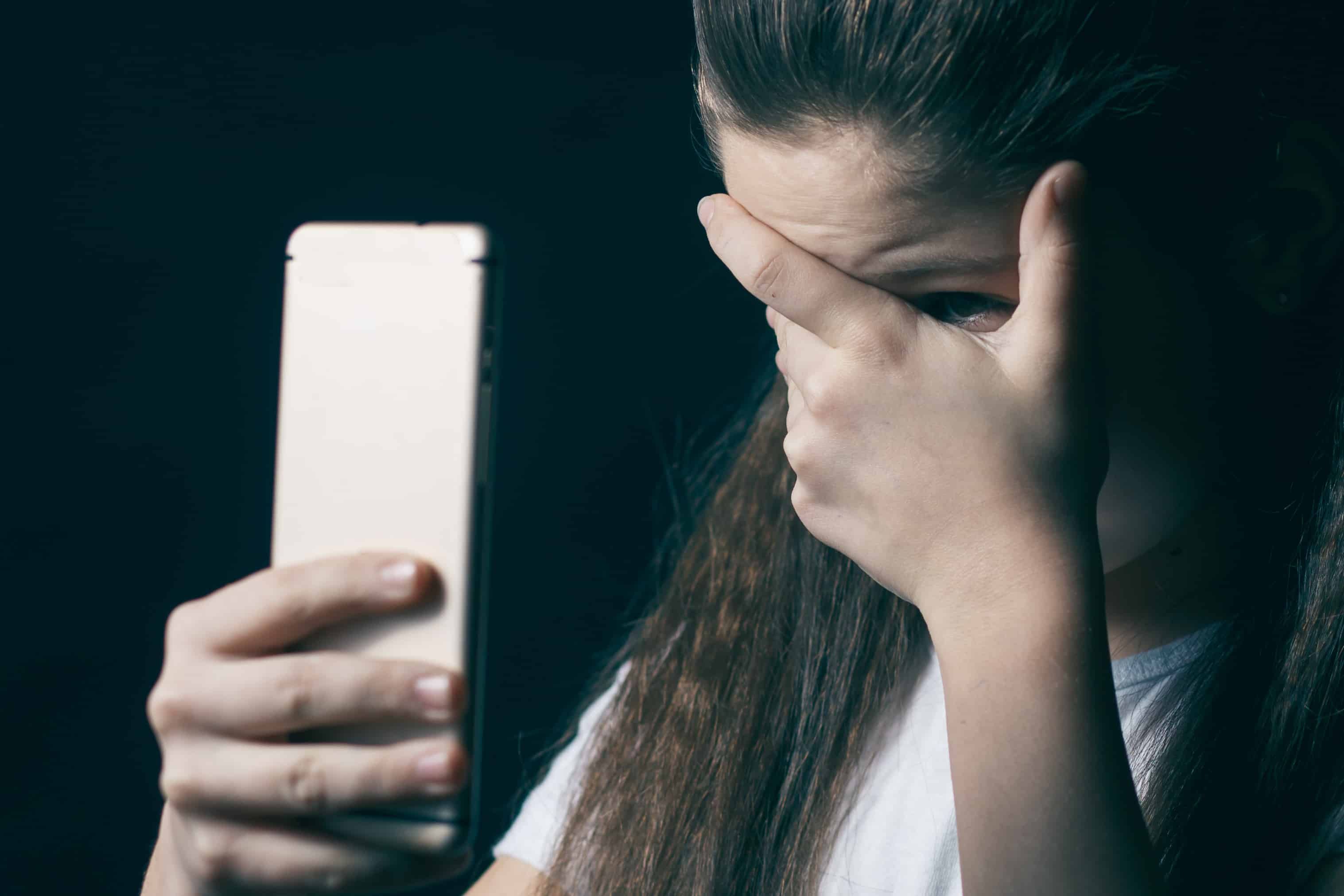


























The average person spends more than 4 hours a day on their mobile device, and about half of that time on social media platforms. This includes Instagram, Facebook, Twitter, YouTube, Tik Tok or Snapchat.
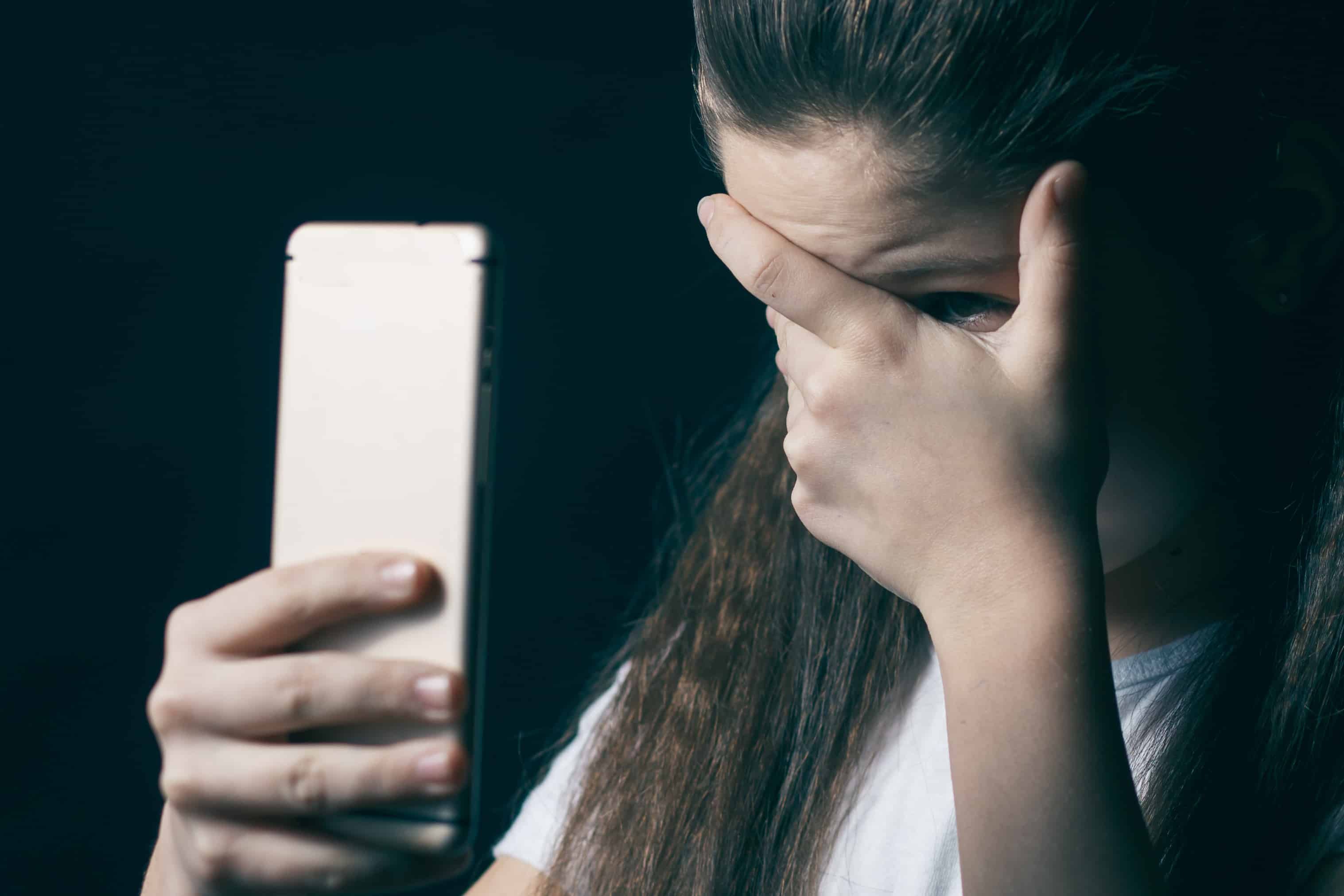
Not Everything is What it Appears to Be
Social media platforms which are visually-based, such as Instagram, Facebook and Snapchat, have given rise to content that include visuals of ‘perfect bodies’ and luxuries, creating a fallacy on the idea of perfection. Millennials, particularly those of the “iGen” era, cling to every piece of content produced from their favourite social media influencers religiously, enhancing their ideas and beliefs on the perfect picture of life.
This indirectly evokes both the senses of narcissism or insecurity, leading the everyday user to continuously produce content that aims to reach as close as possible to the standards set by the influencers they follow. For example, taking edited selfies of themselves and buying likes, and using them as a form of validation. In actual fact, this leads to these individuals developing mental health disorders, or even more tragically, committing suicide.
All Rise, The Court of Social Media is Now in Session
The rise in prominence of these social media platforms have berthed a notorious age of social media users dubbed ‘keyboard warriors’. Seeking also to attain validation, these individuals hide behind the facade of keypads, aimlessly passing judgment through comments without understanding fully the detrimental impact of their words. Keyboard warriors do not only come in the form of your everyday social media user, but also in the form of influencers.
Just recently, a Malaysian actress and influencer was shamed publicly for posting an Instagram Story that described her take on the ‘perfect body’ for women, resulting in Malaysians condemning her on platforms like Twitter, some even going to the extent of creating memes for the sole purpose of demeaning her. And though one could argue that she deserved the negative reactions, it also has to be argued that her statement might have stemmed from a place of narcissism or insecurity. Reiterating what was said previously, what we see on social media do not necessarily reflect perfection, and content can be used to create a layer of illusion to avoid dealing with the psychological and spiritual crumbs of one’s being breaking apart.
Undoubtedly, social media is the reason why the younger generation of users are suffering from various mental health disorders. However, the bane of your mental disorder does not lie with a platform itself, but rather with the content you consume. Identify your beliefs, and if who you follow or the content consumed do not align with your beliefs, switch off. Tuning out the fallacy will lead you onto the path of mindfulness, eventually allowing you to find your sense of belonging in the world.
Hello Health Group does not provide medical advice, diagnosis or treatment.
Read Also:
- Warning Signs Of Common Mental Health Disorders In Kids
- When Parents Accidentally Teach Slut Shaming
- Body Image: Help Your Kids Learn to Love Themselves