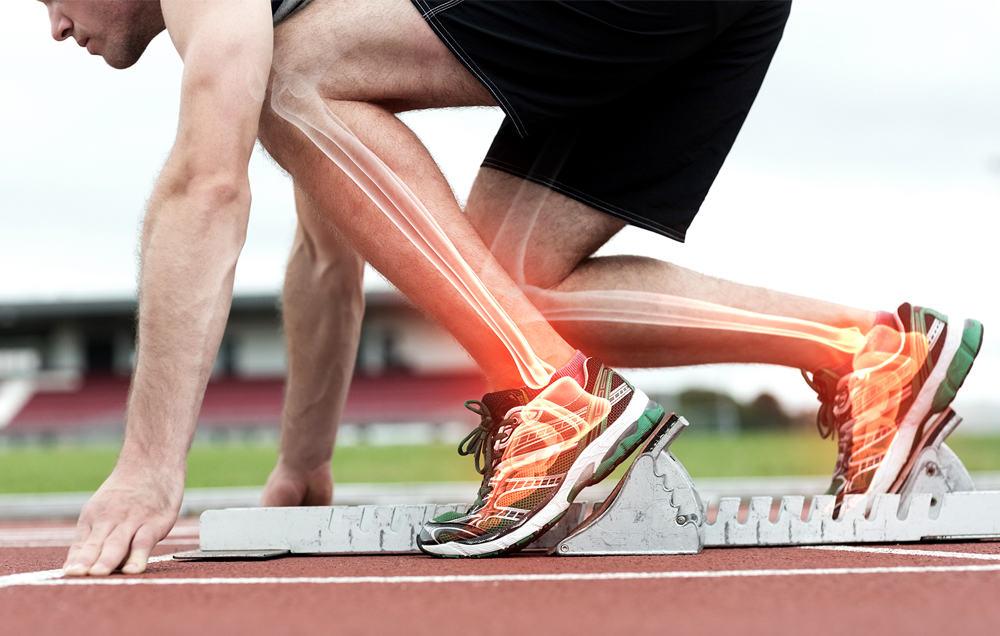





























Running has been proven to provide a wide range of health benefits. It keeps you in shape and strengthens not only your heart and your arteries but also your bones.

Jaminan Produk Asli 100%
How Running Strengthens Your Bones?
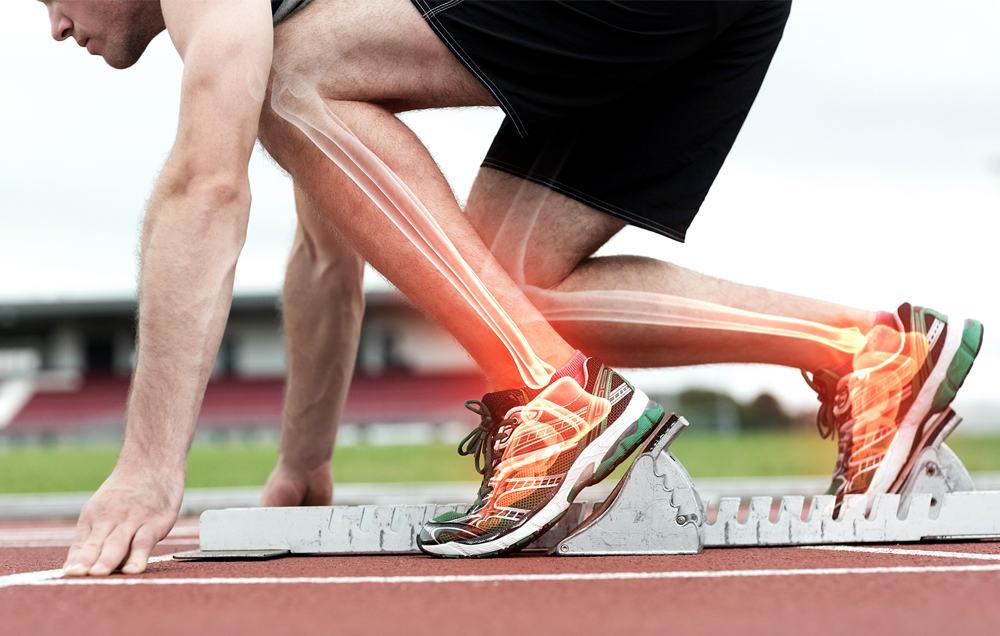
Running makes your bones grow stronger
For every step you run, you place a large amount of pressure on your bones as your feet touch the ground. The reason why running is referred to as a high-impact activity is because the pressure put on your bones and joints from running is much higher than it is in other activities (walking, for example). Your bone is a living tissue, which means it is able to react to the pressure by growing stronger so that it can support your whole body as it is supposed to.
Running increases the bone density
The impact of running on your bones also affect their density. Your bone density determines the amount of bone mineral in your bones. People with low bone density risk developing osteoporosis, a condition in which one’s bones weaken and break on their own. While low-impact activities, like walking, hardly have any effect on your bone density, running increase your bone density significantly. Practice running at young ages is believed to stimulate the production of bone mineral, thus preventing bone loss and lower the risk of osteoporosis later in life.
The recommended distance for positive results is 20 to 30 km per week. It is advisable for runners not to exceed this since over-exercising may increase the cortisol levels in one’s blood. Excessive cortisols can do permanent damage to your bone tissue. According to a study, runners who reach 90km per week actually have the bone density even lower than people who lead a sedentary life.
How to run for your bones
Your bones will get used your running and stop developing. So, you need to gradually increase your amount of activities over time until you reach the recommended number. If you have just started, do not try to complete 20 km route on the first try. Your body needs the right amount of time to adjust, especially if it has been inactive for too long. Rushing will only cause injuries and bad health issues.
To reach the maximum effects, you need to plan a running routine and stick to it. Changes should only be made after a couple of weeks. Since running cannot affect all the bones in your body, you will need to combine it with other weight training workouts to increase the bone density in other places.
Penafian
Hello Health Group tidak menawarkan nasihat perubatan, diagnosis atau rawatan.
How Does Running Affect Bones? http://www.livestrong.com/article/480225-how-does-running-affect-bones/ Assessed October 3, 2016.
Running & Your Bone Density. http://www.livestrong.com/article/368647-running-your-bone-density/ Assessed October 3, 2016.
Versi Terbaru
12/05/2020
Ditulis oleh Phuong Tran
Fakta Disemak oleh Hello Doktor Medical Panel
Diperbaharui oleh: Mohammad Nazri Zulkafli


Fakta Disemak oleh
Hello Doktor Medical Panel
 Iklan
IklanAdakah artikel ini bermanfaat?
IklanIklan