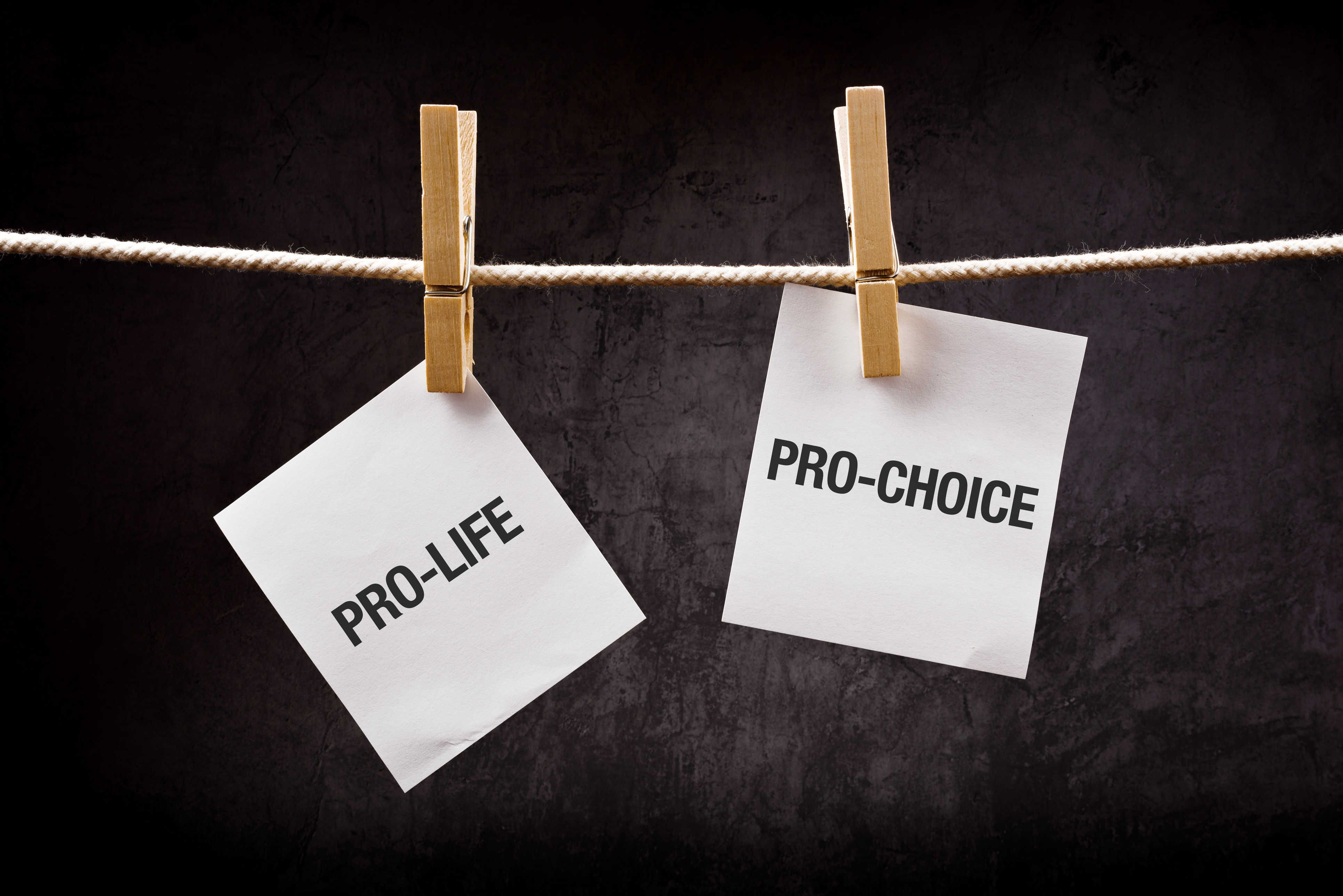





















The terms “pro-life” and “pro-choice” generally boil down to whether an individual thinks abortion should be banned or if it’s acceptable. But there’s more to the debate than that. Let’s briefly explore what the central arguments are about.
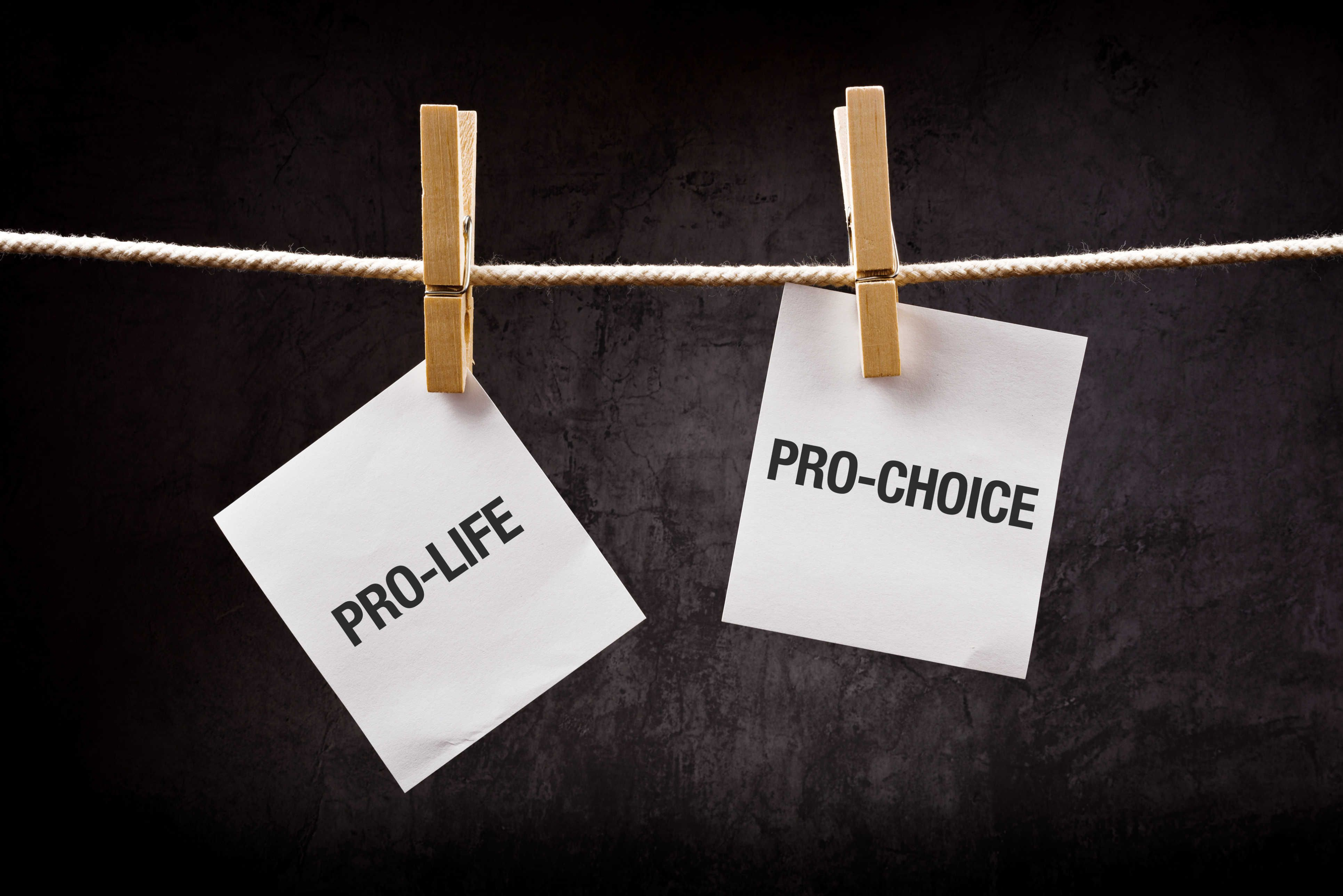
Pro-life vs pro-choice
The view on abortion has always cause controversial in society. There are two opinions surrounding this issue. To say that someone is “pro-life” is to say that the person believes that the government has an obligation to preserve all human life, regardless of intent, viability, or quality-of-life concerns. Someone who is “pro-life” believes that the government has an obligation to preserve all human life, regardless of intent, viability or quality-of-life concerns. A comprehensive pro-life ethic, such as that proposed by the Roman Catholic Church, prohibits:
- Abortion;
- Euthanasia and assisted suicide;
- The death penalty;
- War, with very few exceptions.
While to be “pro-choice” on abortion is to believe that individuals have unlimited autonomy with respect to their own reproductive systems as long as they do not breach the autonomy of others.
Individuals who are “pro-choice” believe that individuals have unlimited autonomy with respect to their own reproductive systems, as long as they don’t breach the autonomy of others. A comprehensive pro-choice position asserts that all of the following must remain legal:
- Celibacy and abstinence;
- Contraception use;
- Emergency contraception use;
- Abortion;
- Childbirth.
Can science tell us anything?
Although there is no scientific basis for the existence of a soul, there is no scientific basis for the existence of subjectivity, either. This can make it difficult to ascertain concepts such as “sanctity.” Science alone can’t tell us whether a human life is worth more or less than a rock. We value each other for social and emotional reasons. Science does not tell us to do it.
To the extent that we do have anything approaching a scientific definition of personhood, it would most likely rest in our understanding of the brain. Scientists believe that neocortical development makes emotion and cognition possible, and that it does not begin until the late second or early third trimester of pregnancy.