
Jaminan Produk Asli 100%























Oral lichen planus
Definition
What is oral lichen planus?
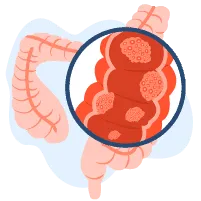
Oral lichen planus is an ongoing (chronic) inflammatory condition that affects mucous membranes inside your mouth. Oral lichen planus may appear as white, lacy patches; red, swollen tissues; or open sores. These lesions may cause burning, pain or other discomfort.
How common is oral lichen planus?
Anybody can get it. Women are more likely to have it than men. It’s most common in people older than 40. But kids and young adults can also get it. Please discuss with your doctor for further information.
Symptoms
What are the symptoms of oral lichen planus?
Symptoms can come on slowly or start all at once. You may start out with dryness or a metallic, burning taste in your mouth. Then you’ll see white patches on your tongue, cheeks, and gums. They can be tiny dots or lines that make a lace-like pattern. You may also have redness and swelling. Sometimes, there’s peeling or blistering.
These sores can be burning and painful. They’ll likely hurt the most when you eat or drink foods that are spicy, salty, acidic (orange juice, tomatoes), or alcoholic. Crispy treats and drinks with caffeine can also cause problems.
Your doctor can diagnose oral lichen planus by taking a small piece of skin from inside your mouth. This is called a biopsy. He’ll run tests on it in the lab to see what the problem is. You may also need blood tests to rule out other conditions.
There may be some symptoms not listed above. If you have any concerns about a symptom, please consult your doctor.
When should I see my doctor?
If you have any signs or symptoms listed above or have any questions, please consult with your doctor. Everyone’s body acts differently. It is always best to discuss with your doctor what is best for your situation.
Causes
What causes oral lichen planus?
It’s not known what causes oral lichen planus. However, T lymphocytes — certain white blood cells involved in inflammation — appear to be activated in oral lichen planus. Although it could indicate an immune disorder, more research is needed to determine the exact cause.
It’s possible that, in some people, oral lichen planus may be triggered by certain medications, mouth injury, infection, or allergy-causing agents such as dental materials. However, these causes are not confirmed.
Risk factors
What increases my risk for oral lichen planus?
Some factors may increase your risk of developing oral lichen planus, such as having a disorder that compromises your immune system or taking certain medications, though more research is needed.
Diagnosis & treatment
The information provided is not a substitute for any medical advice. ALWAYS consult with your doctor for more information.
How is oral lichen planus diagnosed?
Your doctor makes a diagnosis of oral lichen planus based on:
- Discussion of your medical and dental history and the medications you’re taking
- Review of symptoms, including lesions in your mouth and any other places on your body
- Examination of your mouth, and other areas as appropriate
He or she also may request lab tests such as:
- A small tissue sample is taken from one or more lesions in your mouth and examined under a microscope to look for indications of oral lichen planus. Other more specialized microscopic tests may be needed to identify immune system proteins commonly associated with oral lichen planus.
- A sample of cells is taken from your mouth using a cotton swab. The sample is examined under a microscope to determine whether you have a secondary fungal, bacterial or viral infection.
- Blood tests. These may be done to identify conditions such as hepatitis C, which may rarely be associated with oral lichen planus, and lupus, which may look similar to oral lichen planus.
How is oral lichen planus treated?
If you only feel a slight roughness in your mouth, you may not need treatment. If you’re in pain or have sores, your doctor may suggest a corticosteroid cream. In rare cases, he might prescribe steroid pills.
Lifestyle changes & home remedies
What are some lifestyle changes or home remedies that can help me manage oral lichen planus?
The following lifestyles and home remedies might help you cope with oral lichen planus:
- Practice good oral hygiene. Keep your mouth clean to reduce your symptoms and help prevent infection. Gently brush your teeth at least twice a day using a bland toothpaste, and floss daily.
- Adjust your diet. Cut out spicy, salty or acidic foods if they seem to trigger or worsen your symptoms. Choose foods that are soft to help limit discomfort. And reduce or eliminate the use of caffeine.
- Avoid irritants. Avoid alcohol or tobacco. Also avoid habits that can injure the inside of your mouth, such as chewing on your lip or cheek.
- Learn to manage stress. Because stress may complicate symptoms or trigger symptom recurrence, you may need to develop skills to avoid or manage stress. Your doctor may refer you to a mental health specialist who can help you identify stressors, develop stress management strategies or address other mental health concerns.
- See your doctor or dentist regularly. See your dentist twice a year for checkups and cleanings, or more often as directed by your dentist. Because long-term treatment is often required, talk to your doctor or dentist about how often you should be seen to evaluate how your treatment is working and for cancer screening.
If you have any questions, please consult with your doctor to better understand the best solution for you.
Hello Health Group does not provide medical advice, diagnosis or treatment.
Penafian
Hello Health Group tidak menawarkan nasihat perubatan, diagnosis atau rawatan.
Oral lichen planus. https://www.mayoclinic.org/diseases-conditions/oral-lichen-planus/symptoms-causes/syc-20350869. Accessed November 21, 2017.
Oral Lichen Planus: Symptoms, Causes, and Treatments. https://www.webmd.com/oral-health/oral-lichen-planus#1-3. Accessed November 21, 2017.
Versi Terbaru
11/05/2020
Ditulis oleh Phuong Tran
Fakta Disemak oleh Hello Doktor Medical Panel
Diperbaharui oleh: Ahmad Wazir Aiman Mohd Abdul Wahab


Fakta Disemak oleh
Hello Doktor Medical Panel
 Iklan
IklanAdakah artikel ini bermanfaat?
IklanIklan