



























The recent focus in plant research has made some new discovery on ancient plants that have been used for ages. Previously limited uses based on experience and folk remedies have now evolved to commercialized beauty products that are used globally.
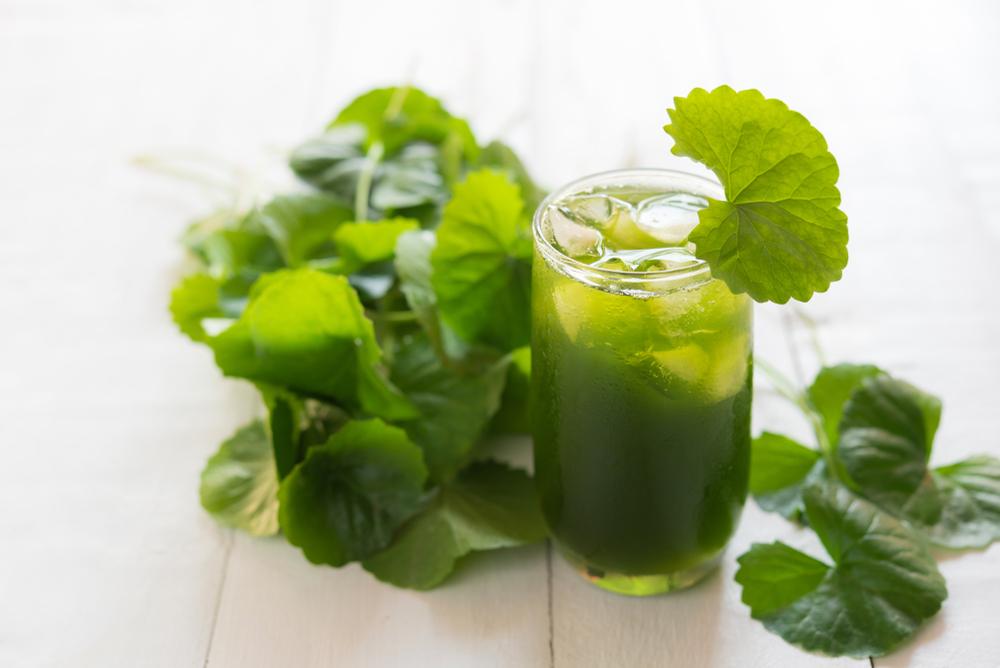
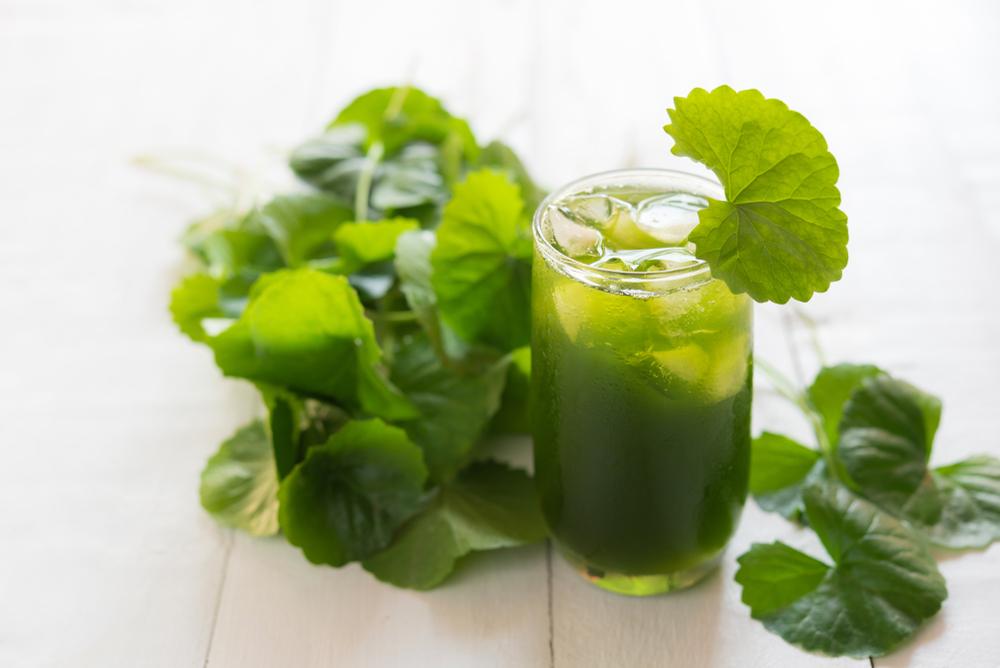
A recent subject in the spotlight, Gotu Kola, is a herb that is commonly used in Traditional Chinese and Ayurvedic medicine. Its scientific name is Centella Asiatica and is known to grow in India and parts of Southeast Asia. Also known as Pegaga, Pennywort and tiger grass, it is famous for its wound healing properties and is used for the treatment of various skin conditions.
Gotu Kola is an aquatic herbaceous creeper plant that is harvested manually and is planted in low, wet regions. About 20 species grow in most parts of the tropic or wet pantropical areas such as rice paddies, and also in rocky, higher elevations. It is a tasteless, odourless plant that thrives in and around water. It consists of small fan-shaped green leaves with white or light purple-to-pink or white flowers and it bears small oval fruit.
Its leaves are used in Ayurvedic preparation and used wholly for culinary purposes especially in a salad. It is normally served raw and can also be dried and ground into powder inside capsules to be taken as supplements. It is also made into ointments and canned drinks.
The scientific benefits of Gotu Kola
Research shows that Gotu Kola contains a plant compound called saponins or triterpenoids, a substance which facilitates the growth of connective tissues such as elastin and collagen, which is important for wound healing. The four main triterpene properties found in standard Gotu kola extracts include asiatic acid, madecassic acid, asiaticoside and madecassoside. It is used in Indian medicine practice to treat many skin conditions including leprosy, varicose ulcers, and eczema. Chinese medicine uses various parts of the plant. The leaves are used for leukorrhea and fevers that are toxic, while other types of fevers and boils are treated with Gotu kola shoots.
Gotu Kola as an anti-ageing treatment
Gotu Kola has already proven itself to be beneficial through wound healing. Wounds treated with Gotu Kola epithelialized faster and healing was more prominent using its gel. Keratinization, which aids in thickening skin in areas of infection is promoted by its use. Asiaticoside, a triterpene constituent in Gotu Kola, has been reported to possess wound healing activity by increasing collagen formation and new blood vessel formation.
The Sinhalese saying, “Two leaves a day will keep old age away,” depicts Gotu Kola’s popularity as an agent for longevity. Cantella Asiatica is now used in cosmetology as an anti-ageing treatment, mainly due to the enhancement of type I collagen, which amount in the skin decreases with age. In a randomized, double-blind clinical trial conducted among 20 female participants with photoaged skin, the impact of topically applied 0.1% madecassoside in conjunction with 5% vitamin C on their skin is examined. Six-month treatment resulted in a significant improvement in firmness, elasticity and skin hydration, which was confirmed by appropriate tests.
Madecassoside, a triterpene constituent of Cantella Asiatica is a known inducer of collagen expression. As 5% vitamin C can help stimulation of collagen synthesis and control of enzymes responsible for degradation of collagen, the mixture of vitamin C and madecassoside is an attractive combination with synergistic effect for anti-ageing.
Skincare containing Cantella Asiatica is labelled as cica cream and known as an anti-ageing moisturizer. The cica cream name is derived from Centella Asiatica (the “c” from Centella and the “ca” from asiatica). Cosmetical products containing it will state the words Centella Asiatica (or tiger grass) in the formula. Its usage involves the application of cica cream followed by moisturizer every morning and evening.
Hello Health Group does not provide medical advice, diagnosis or treatment.