

























Good fats, bad fats – what’s the difference? Good fats give our bodies energy, and your child needs them to grow and develop. Bad fats make our bodies produce bad cholesterol, which can lead to health problems.
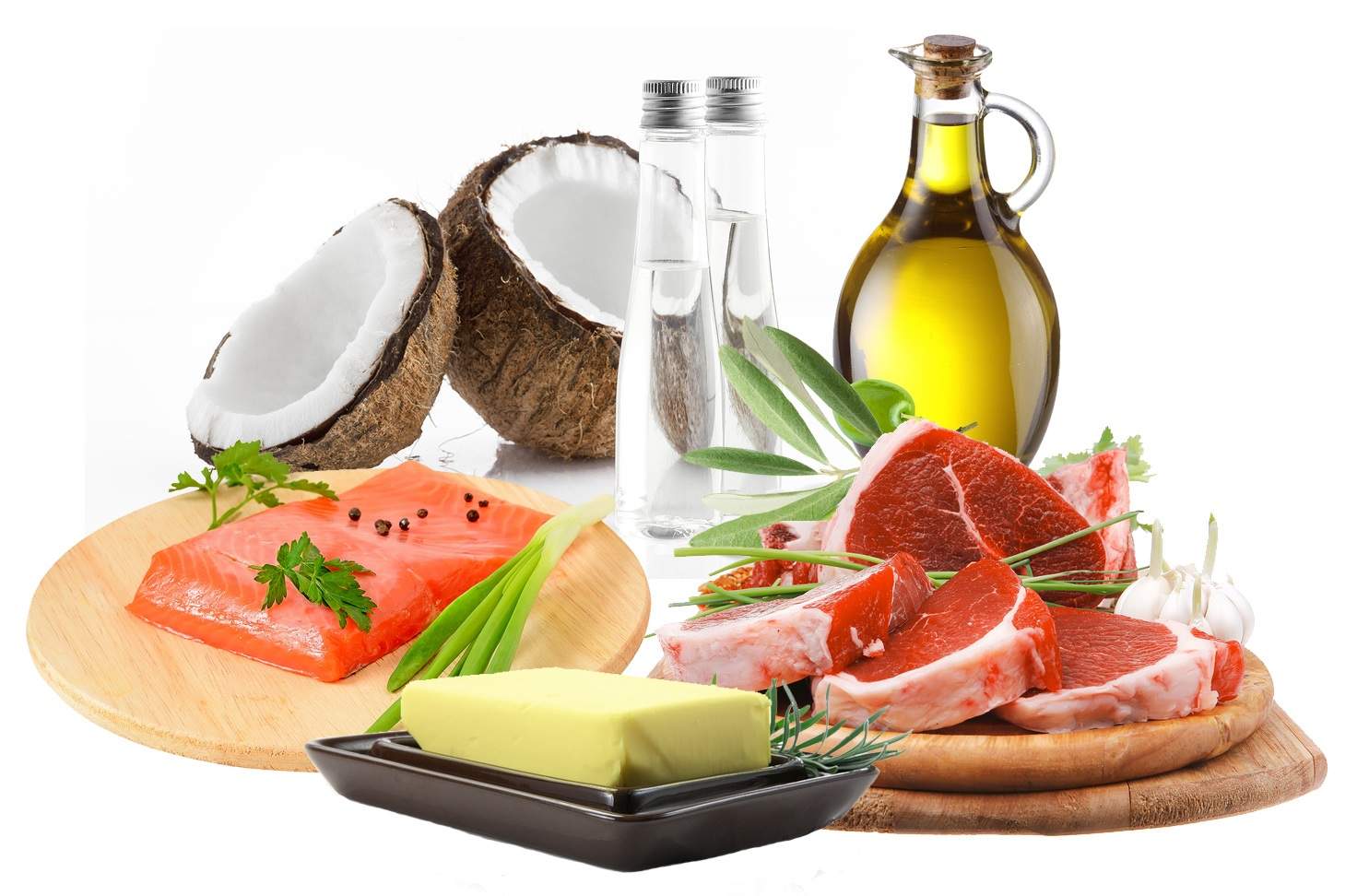
Good fats and bad fats: the differences
Good fats
Good fat is sometimes called unsaturated fat. Unsaturated fat comes in two forms: monounsaturated and polyunsaturated.
There are two types of polyunsaturated fat: omega-3 and omega-6. These are also known as essential fatty acids. Our bodies can’t make essential fatty acids, so we need to get them from food.
Good or unsaturated fat helps keep arteries clear. It helps us produce good cholesterol and move it around the body, which can reduce the risk of heart disease. And unsaturated fat reduces bad cholesterol, which is linked to heart problems.
A diet with unsaturated fat can help avoid heart problems later in life.
Bad fats
Bad fat comes in the form of saturated fat and trans fat.
Both bad fats make our bodies produce more bad cholesterol, and they can also reduce good cholesterol.
Both bad fats can increase the risk of heart disease later in life.
Good fats: where you get them and what they do
Monounsaturated fat
You can get monounsaturated fat from:
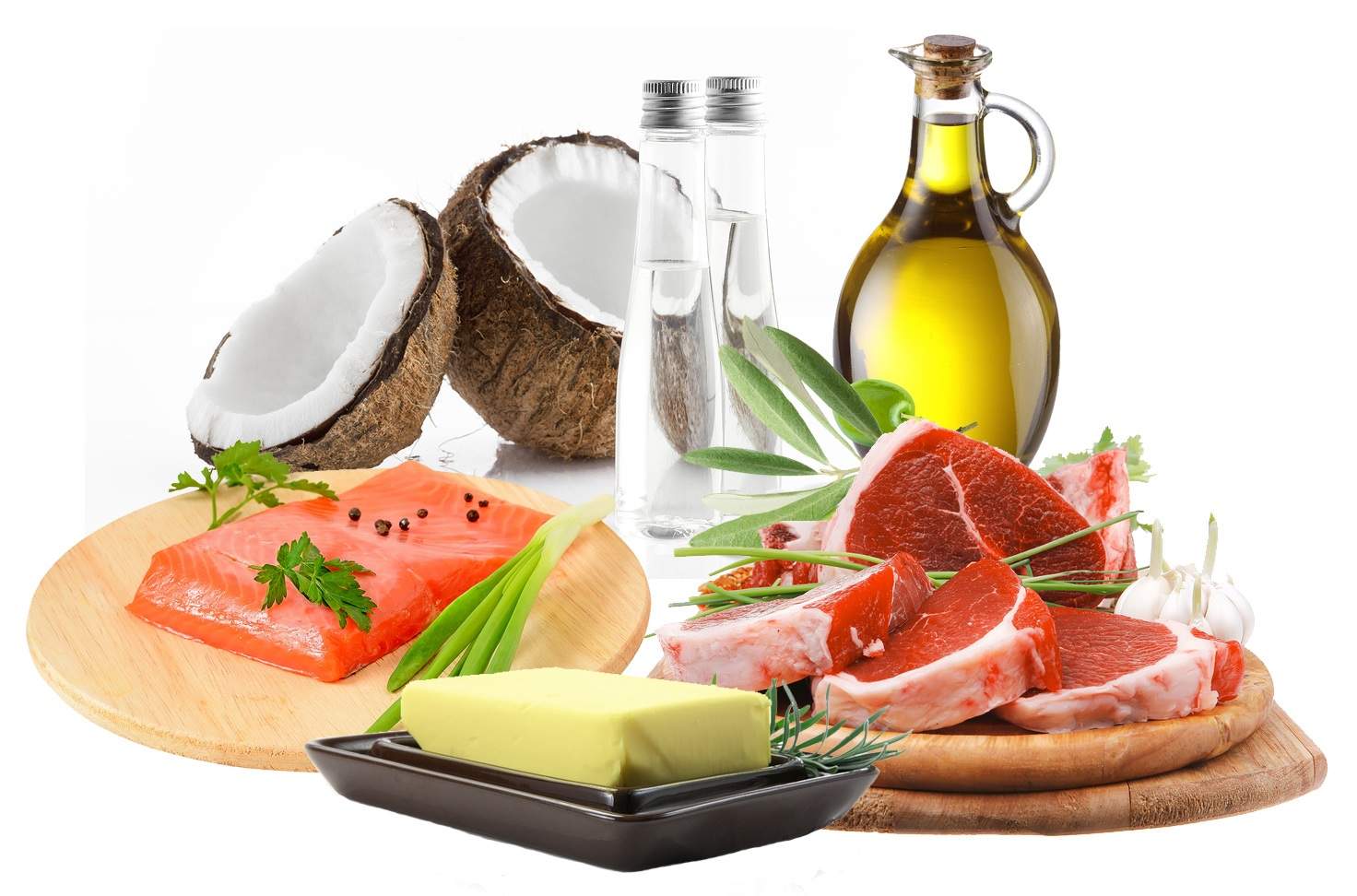
- Oils like olive, canola and grape seed oil;
- Nuts and seeds;
- Lean meat;
- Avocado.
Monounsaturated fat helps lower cholesterol, but only when it replaces saturated fats in an average daily diet.
Polyunsaturated fat
You can get polyunsaturated fat from oily fish such as salmon and tuna.
Polyunsaturated fat lowers cholesterol, but only when it replaces saturated fats in an average daily diet, and it can be better at doing this than monounsaturated fat.
It’s also good for general heart, eye, joint and mental health.
Omega-3
Omega-3 is a type of polyunsaturated fat. You can get it from:
- Tuna, salmon and mackerel;
- Walnuts, other nuts and flaxseed;
- Soy foods;
- Green leafy vegetables;
- Legumes.
Babies also get omega-3 from breastmilk.
Omega-3 helps a baby’s brain and eye development in the womb and during the first six months of life. In children, it can improve learning, boost brain and nervous system development and strengthen the immune system.
For adults, omega-3 can be good for rheumatoid arthritis, pain relief, morning stiffness and inflammation. It can also protect adults from heart disease.
Omega-6
Omega-6 is a type of polyunsaturated fat. You can get it from vegetable oils such as sunflower, peanuts, canola and soy oils.
Omega-6 protects against heart disease by helping control bad cholesterol.
Bad fats: where you get them and what they do
Saturated fat
You get saturated fat from:
- Animal products like meat fat;
- Palm and coconut oil in processed foods such as biscuits, chips and slices;
- Full-fat dairy products such as butter and cream
Saturated fat has no known health benefits. It increases the amount of bad cholesterol in the body.
Trans fat
Trans fat is sometimes used in:
- Commercially made cakes and biscuits;
- Takeaway food;
- Shortening and some margarines;
- Ready-made meals;
- Snack foods such as chips;
- Energy bars.
Trans fat has no known health benefits. It increases the amount of bad cholesterol in the body and reduces the amount of good cholesterol.
It’s also harder for our bodies to get rid of than saturated fat.
Quick facts about good fats and bad fats
You can’t make essential fatty acids in your body, so it’s important to include them in what you eat as part of a balanced diet.
Some animal products and processed foods, especially fried fast food, are generally high in saturated fats, which have been linked to increased blood cholesterol levels.
If saturated and trans fats make up more than about 10% of your daily energy intake, this can increase the amount of bad cholesterol in your blood. This can lead to clogged blood vessels and can cause heart disease.
Replacing saturated fats with monounsaturated and polyunsaturated fats can improve blood cholesterol levels.
Vegetarians can choose eggs and other foods fortified with omega-3 to get enough essential fatty acids in their diet.