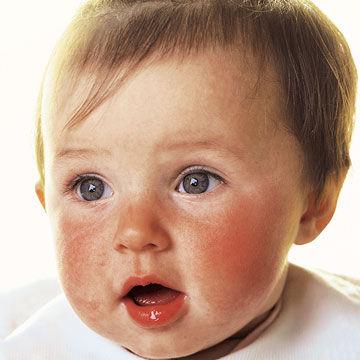






















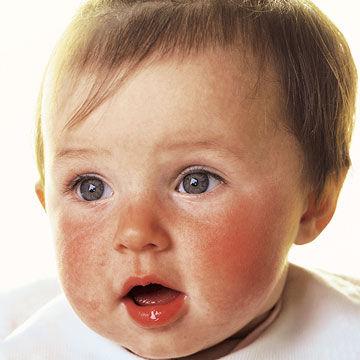
Also known as parvovirus B19 or fifth disease, slapped cheek syndrome is defined as a viral infection which is commonest in children in spite of its ability to have an effect on people of any age. Slapped cheek syndrome often gives the cheeks a bright red rash.
What to do when having slapped cheek
As a mild infection, slapped cheek syndrome often go away without certain treatment.
Should your child or you is feeling ill, you can alleviate the symptoms by trying these following recommendations:
- Take rest and drink a lot of fluids. Babies ought to maintain their normal feeds.
- For joint aches, headaches or a fever, here are some recommended painkillers: ibuprofen or paracetamol. Aspirin should not be given to children under 16.
- Antihistamines or emollient are recommended to deaden your itchiness. Young children may be unable to take some antihistamines. Therefore, what you need to do first is to consult your pharmacist.
If you or your child do not feel ill, there is not point in being absent from work or school because no longer is the infection contagious when the rash has developed.
It is suggested that you should take notice of your child’s school about the infection. Hence, you can swiftly point out children who develop early symptoms and susceptible people can be aware that they may require medical advice.
How do you get slapped cheek syndrome?
A virus known as parvovirus B19 is the root cause of slapped cheek syndrome. Droplets in the coughs and sneezes of infected people are found to contain this virus.
The virus shares an identical way of spreading like flu and colds. Things that are potential to make you infected include:
Inhaling droplets which go together with coughs or sneeze of an infected person
Exposed to or touching a contaminated surface or object, and subsequently, touch your nose or your mouth.
People can be infected with slapped cheek syndrome during the time when the rash develops. When the rash shows up, no longer is the condition able to be passed on.
How is slapped cheek syndrome diagnosed?
In most cases, slapped cheek syndrome can be diagnosed depending on the appearance of characteristic symptoms. You can know whether you have slapped cheek syndrome by taking a blood test. However, you usually need not take this kind of test.
Preventing slapped cheek syndrome
Slapped cheek syndrome is indeed highly difficult now that during the period when slapped cheek syndrome is highly contagious, people with the infection do not show any clear symptoms.
Nevertheless, the infection can be effectively prevented from spreading by having everyone in your family get their hands washed regularly. Do not share bottles or eating utensils. You should clean and disinfect toys that usually contact with kids’ mouths. Furthermore, since this virus can easily spread indoors, it is suggested that you should let your children play outside frequently.
Vaccine to shield you from the condition is currently not available.
Hello Health Group does not provide medical advice, diagnosis or treatment.