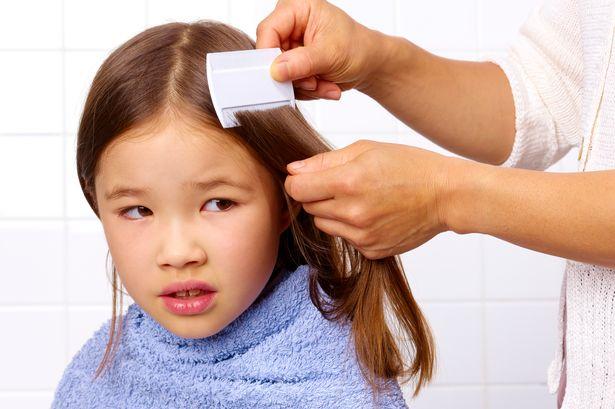






Head lice are tiny, wingless parasitic insects that live among human hair and use small amounts of blood from the scalp as food. This problem happens commonly in kids and sometimes can be really frustrating. Head lice are contagious, irritating, and hard to treat.

Jaminan Produk Asli 100%
Info Kesihatan
Kategori Kesihatan
Lihat Semua Kategori
Semua Spotlight
Lihat Semua SpotlightAlat Kesihatan
Alat Kesihatan
Lihat Semua Alat Kesihatan
Komuniti
Booking Doktor
Head Lice in Children
Signs of head lice
Lice eggs (called nits)
Although they are tiny, you can still see lice eggs with naked eyes. They look like tiny yellow, tan, or brown dots on the hair shafts close to the scalp before they hatch. Nits (before hatching) or even remaining shells (after hatching) tend to stay attached to hair scalp. They even can’t be removed by brushing.
Adult lice and nymphs (baby lice)
The adult lice are as big as a sesame seed and they are grayish-white or tan in color.
Scratching
Lice feed on blood drawn from the scalp so their bites can be annoyingly itchy. Scratching is unavoidable. If your kids scratch too often, they may get bacterial infections such as swollen lymph glands and red bumps.
Are lice contagious?
Lice are highly contagious. Particularly, they can spread quickly from person to person, through head-to-head contact, or sharing clothing, bed linens, combs, brushes, and hats. Kids are more likely to catch lice because they usually have close physical contact with each other and share personal items, especially in schools, parties, sports activities, and camps.
Treatment
If your child is older: To treat head lice, your doctor can recommend a medicated shampoo, cream rinse, or lotion. These treatments can kill the lice, but your kids must wait for a few more days until the itching actually stops. However, if the lice are resistant to these medications, an oral medication (medicine taken by mouth) might be prescribed. Because these products are insecticidal, you should remember to check if the medicine is safe for your child’s age and follow the directions on the label properly.
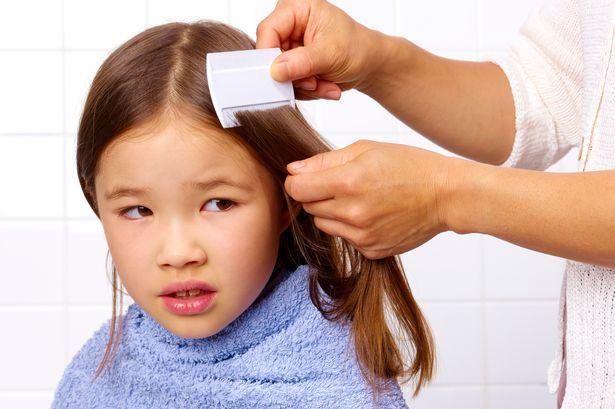
If your child is 2 months old or younger: You should remove the nits and lice by hand. To make it easier, you should use a fine-tooth comb on your child’s wet, conditioned hair. To get rid of head lice completely, your should remove nits carefully every week for at least 3 weeks in a row. After that, make sure you check your kid’s scalp closely to see if any live lice return.
How to prevent a lice reinfestation?
– Wash all bed linens and clothing of the person who has recently suffered from head lice in very hot water (about 54.4°C).
– Dry clean anything that can’t be washed.
– Vacuum carpets and any upholstered furniture. Then, you should throw away the vacuum cleaner bag.
– Soak hair-care items in rubbing alcohol or medicated shampoo for 1 hour, or if you can afford it, just throw them away and buy new ones.
Hello Health Group does not provide medical advice, diagnosis or treatment.
Penafian
Hello Health Group tidak menawarkan nasihat perubatan, diagnosis atau rawatan.
Head lice. http://kidshealth.org/en/parents/head-lice.html#. Access December 30, 2016.
Versi Terbaru
04/12/2019
Ditulis oleh Thanh La
Disemak secara perubatan oleh Panel Perubatan Hello Doktor
Diperbaharui oleh: Asyikin Md Isa


Disemak secara perubatan oleh
Panel Perubatan Hello Doktor
 Iklan
IklanAdakah artikel ini bermanfaat?
IklanIklan