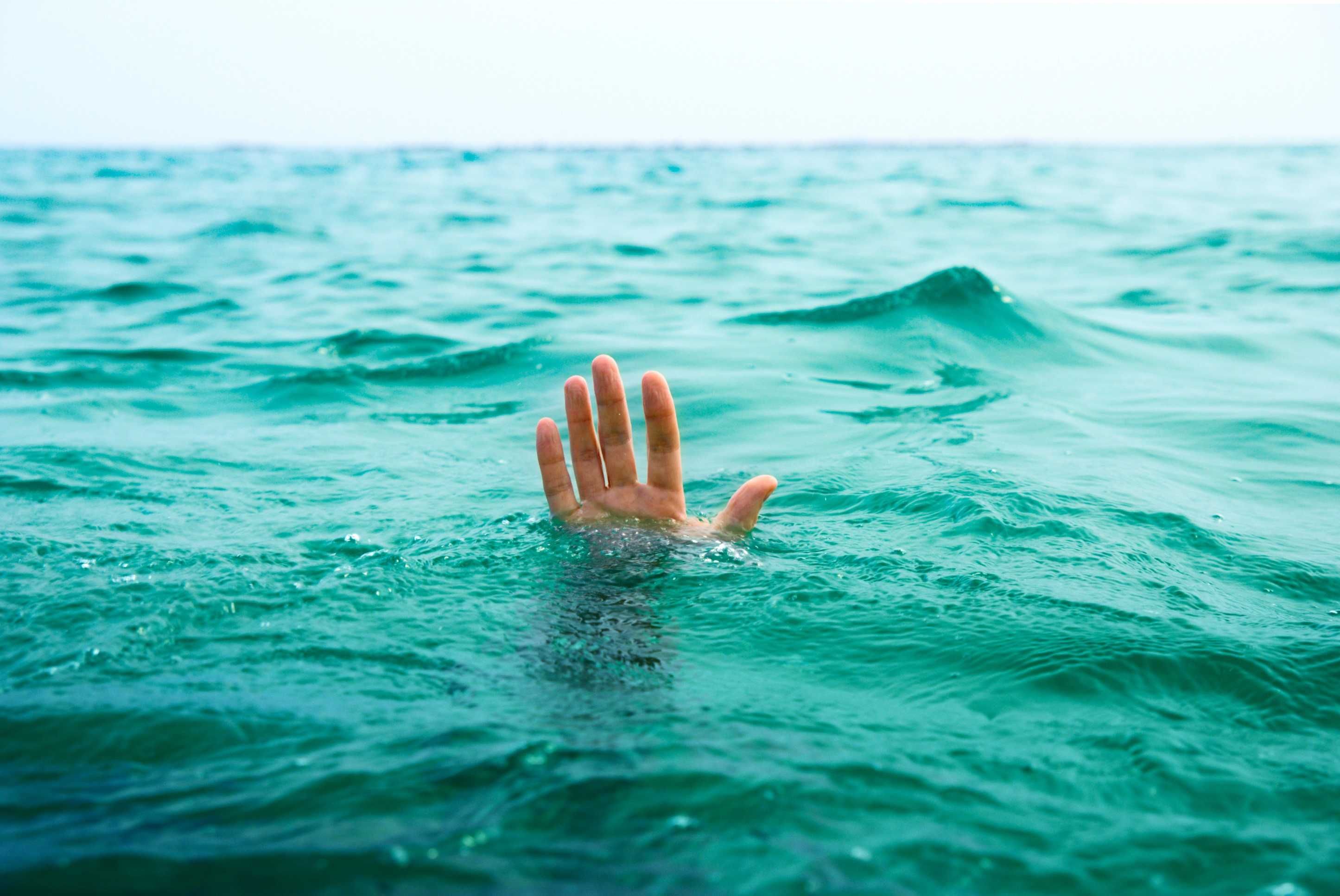


























People drown when they get too much water in their lungs. You can drown in as little as an inch or two of water. Babies can drown in a sink or bathtub. Preschoolers are most likely to drown in a swimming pool. People who have seizure disorders are also at risk in the water. Drowning can happen quickly and silently.

Jaminan Produk Asli 100%
First Aid for Drowning
What are some signs and symptoms of drowning?
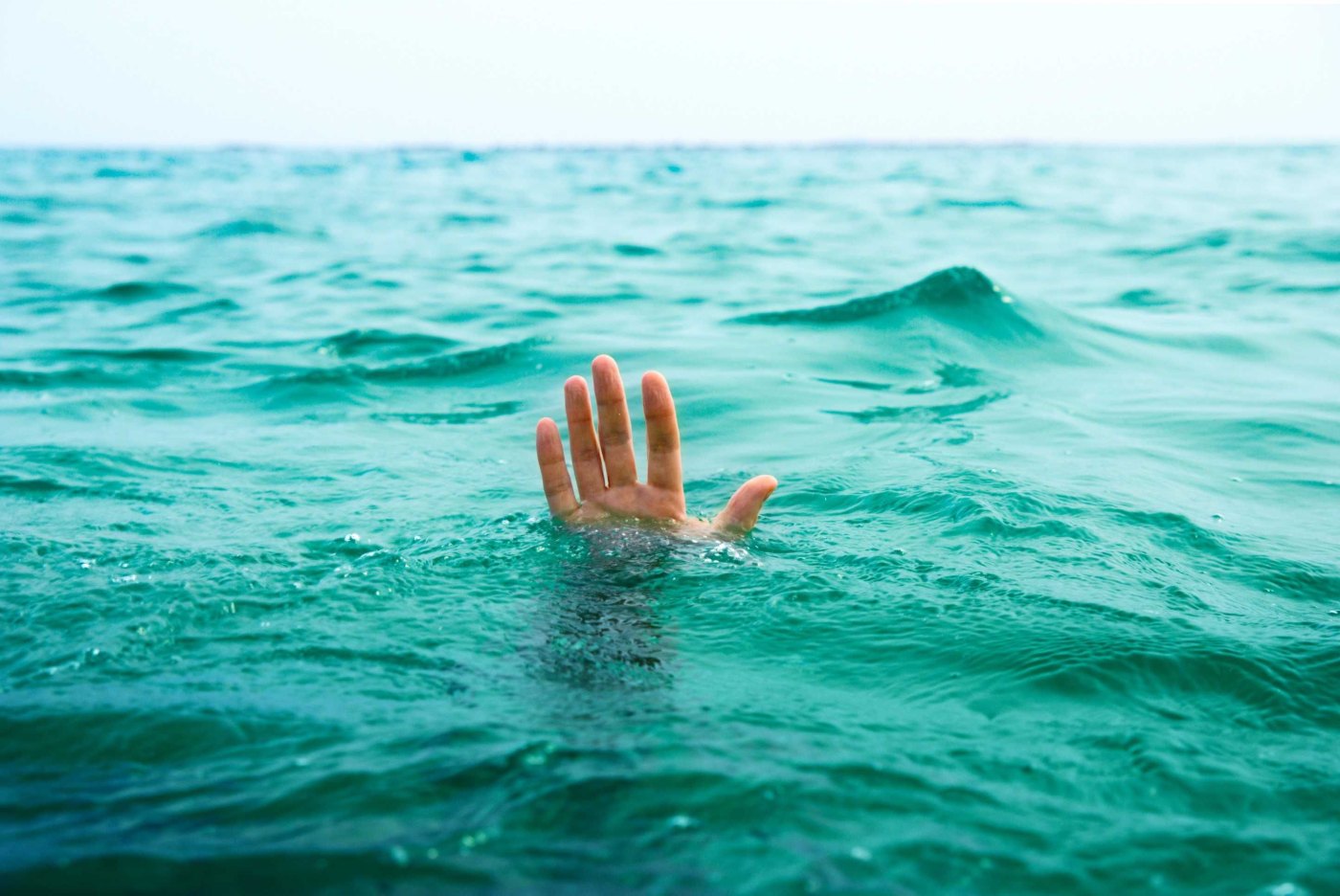
The victim does not flail and thrash in the water. Instead, drowning tends to be a deceptive quieter act, and victims tend to appear lethargic or are found unresponsive floating on the water, or submerged beneath it.
The drowning victim often is bobbing with their head tilted back just at the waterline and the mouth wide open. There are attempts to keep rolling on to the back. The respiratory effort may be rapid but is often shallow. The eyes tend to be wide open and may hold a sense of panic. If there is a swimming effort, it is weak and uncoordinated
What should I do when I find a drowning person?
Resuscitation
Begin mouth-to-mouth breathing as soon as possible. This should be started immediately- in the boat, in a life preserver, or at the latest when the rescuer reaches shallow water. It should be continued until the child is brought to a medical facility, since children have survived long submersions (especially in cold water).
Neck Injury
If there is any possibility of a neck injury (for example, a diving accident), protect the neck from any bending or twisting. If the child is still in the water, he or she can be helped to float on the surface until a spine board is applied or until several people can remove him while supporting the head and back as a unit.
Vomiting
Vomiting is common because the stomach is usually filled with water from drowning. If vomiting occurs, quickly turn the child on his or her side, or face down, and try to keep the water from entering the lungs. The lungs are usually free of water because they are protected by spasm of the vocal cords. Avoid pressure on the stomach during resuscitation because it can trigger vomiting.
How I should avoid drowning?
- Never leave a child less than 3 years old unattended in the bathtub or a wading pool . Toddlers can drown in 2 inches of water.
- Never leave a toddler unattended near a 5-gallon industrial bucket with any water inside. If they peer inside, they may fall in and drown because these large buckets don ‘t easily tip over.
- Never leave children who can ‘t swim well unattended near a swimming pool. (More children drown in backyard swimming pools than at beaches or public pools.)
- Never leave children unattended near spas or hot tubs. Risks include entrapment in the outflow vent and overheating, not just drowning.
- Make sure that neighborhood pools are totally fenced off and the gates are kept locked.
- Try to arrange swimming lessons for your child before age 8. (Children are often ready by age 4.)
- Caution children of all ages to check the depth of the water before diving in and to avoid any diving in the shallow end of a pool.
- Caution children not to over-breathe as a way to stay underwater longer. This practice can lead to passing out underwater.
- Caution the accomplished swimmer never to swim alone. Continue to swim with a buddy.
Penafian
Hello Health Group tidak menawarkan nasihat perubatan, diagnosis atau rawatan.
nlm.nih.gov. Accessed December 18, 2016.
emedicinehealth.com. Accessed December 18, 2016.
Versi Terbaru
12/05/2020
Ditulis oleh Tran Pham
Disemak secara perubatan oleh Panel Perubatan Hello Doktor
Diperbaharui oleh: Nurul Nazrah Nazarudin


Disemak secara perubatan oleh
Panel Perubatan Hello Doktor
 Iklan
IklanAdakah artikel ini bermanfaat?
IklanIklan