















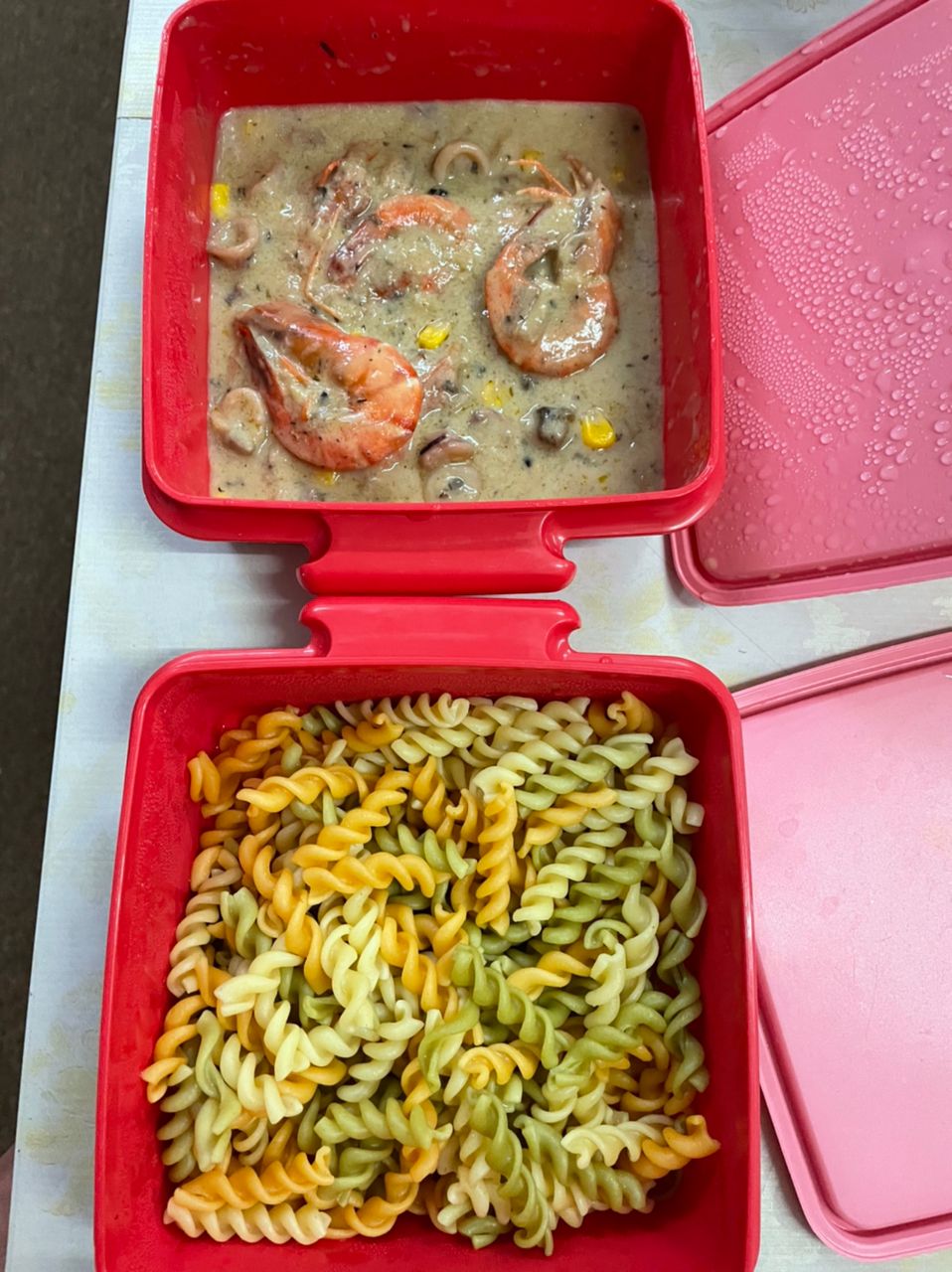
Imagine yourself, hours after birth, drinking your own placenta that has been made into a smoothie. Or drinking pills filled with your placenta that has been chopped into bits and ground into powder. Seem nasty? Some women are opting to consume the placenta after childbirth.

Jaminan Produk Asli 100%
Eating Human Placenta: Health Tip or Taboo
While it is a pretty common practice in the animal kingdom, the thought of consuming a human placenta might be disturbing to many people. Those who practice this swear by the health benefits from eating the human placenta.
Is there any real health benefits from eating placenta?
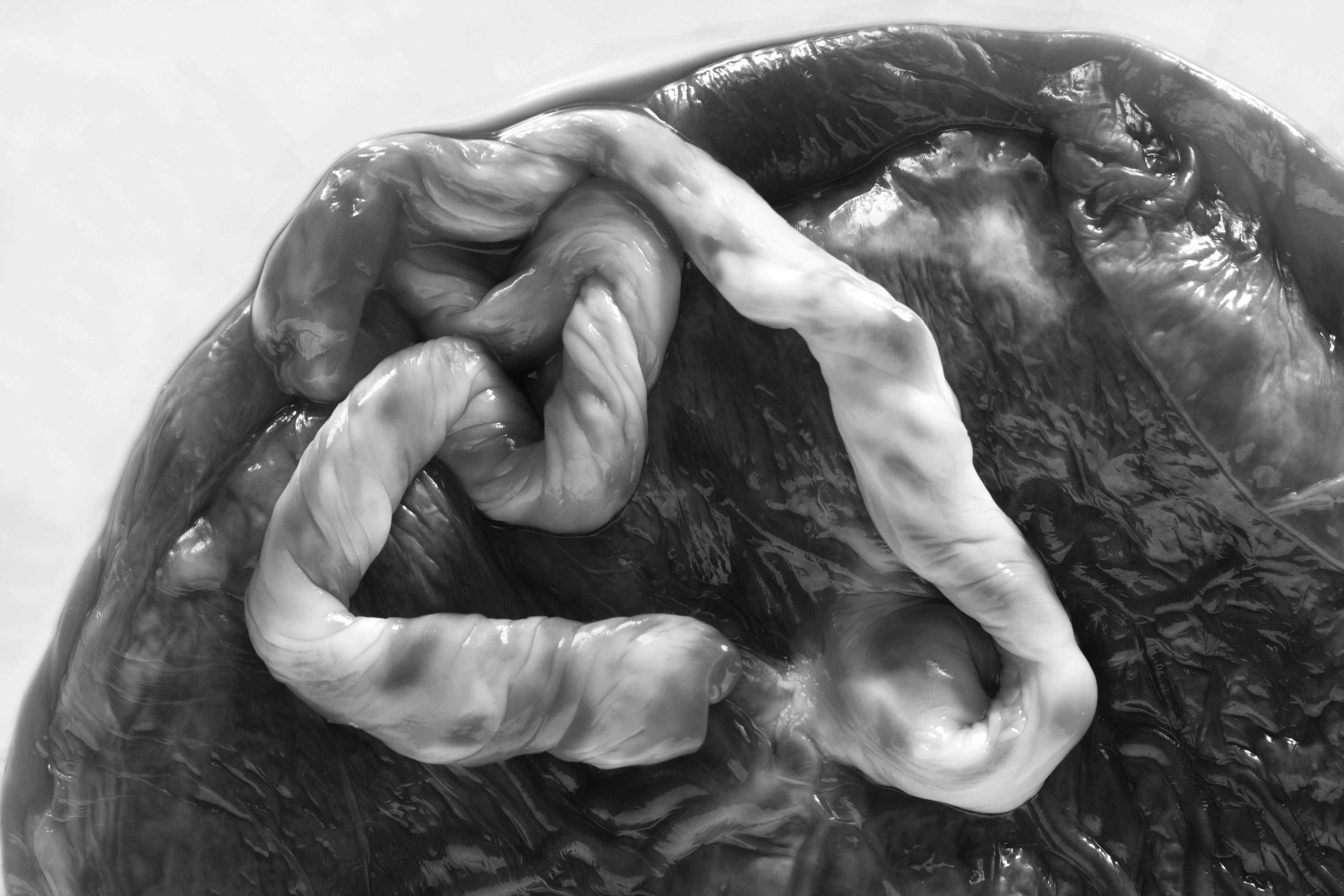
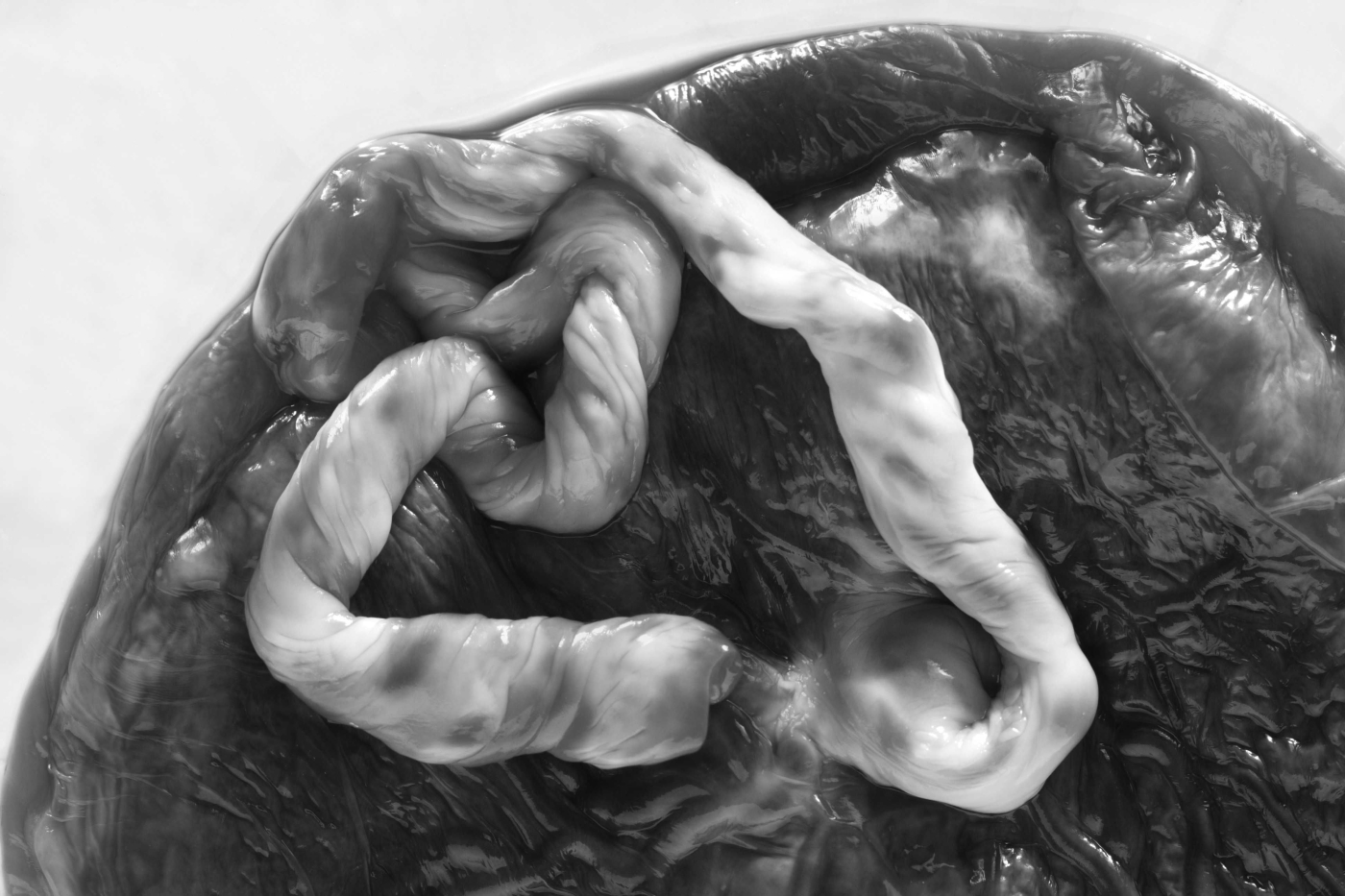
In theory, the placenta is packed with all the vitamins, minerals, and nutrients that were used to feed the baby. If you don’t know, the placenta is the organ that connects the developing fetus to the uterine wall to allow nutrient uptake. When the pregnancy is over, your body gets rid of the placenta. If your baby is delivered via the vaginal passage, you will push the placenta out. If you have a C-section, the doctor will remove the placenta from the incision. It will look like a plate and weight about 500 grams upon deliver.
The placenta is loaded with iron and vitamins B6 and B12, as well as estrogen and progesterone, both important postpartum hormones. These hormones can help fight off postpartum depression and insomnia in new moms, as well as increase milk quantity and relief post-childbirth pain.
In animals other than humans, eating the afterbirth has some perks. It might reduce labor pains in a female dog, for example, as her remaining puppies are born, and it can encourage the mother to bond with her newborns.
Risks from eating placenta
It could be contaminated
Some women with pregnancy conditions – such as preeclampsia – has stress protein in the placenta. Moreover, because the placenta acts as a filter to keep dangerous things from your baby, including bacteria. Not to mention, some women often defecate during labor, and there are even more bacteria in feces, which can contaminate the placenta during birth. Why would you want to risk introducing these infectious agents back into you?
It may be hard to keep it “food safe”
Unless the placenta is kept cool and ice from the moment you deliver your baby until your consumption, it hardly qualified as safe. Think about a piece of meat on a counter, would you eat it if it has been left out all day? You may not have access to proper refrigeration fast enough to preserve the placenta.
You may not even get the benefits you were seeking
Most moms today don’t take a bite of the raw placenta; it’s often cooked and either dehydrated and ground into a powder that’s placed in pill capsules, or frozen and used in fruit smoothies. But many of these processes, especially cooking, can damage the very nutrients you’re hoping to receive.
You may not like the taste
Placentas are rich in blood, lending it a coppery, gamy flavor. Chefs who have cooked it, like Daniel Patterson of Coi and several other San Francisco restaurants, compare it to squab. Others suggest it’s like liver, and a few compare it to chicken. In any case, you may be doing a whole lot of prep for a less-than-stellar eating experience.
Penafian
Hello Health Group tidak menawarkan nasihat perubatan, diagnosis atau rawatan.
Risks of Eating the Placenta. http://www.parents.com/pregnancy/my-body/pregnancy-health/eating-placenta-risks/. Accessed January 14, 2017.
Why do people eat placentas? http://www.bbc.com/news/uk-england-27307476. Accessed January 14, 2017.
Eating the Placenta. http://www.whattoexpect.com/pregnancy/ask-heidi/eating-the-placenta.aspx. Accessed January 14, 2017.
Should I Eat My Placenta? http://www.webmd.com/baby/should-i-eat-my-placenta#1. Accessed January 14, 2017.
Versi Terbaru
12/05/2020
Ditulis oleh Tran Pham
Disemak secara perubatan oleh Panel Perubatan Hello Doktor
Diperbaharui oleh: Nurul Nazrah Nazarudin


Disemak secara perubatan oleh
Panel Perubatan Hello Doktor
 Iklan
IklanAdakah artikel ini bermanfaat?
IklanIklan