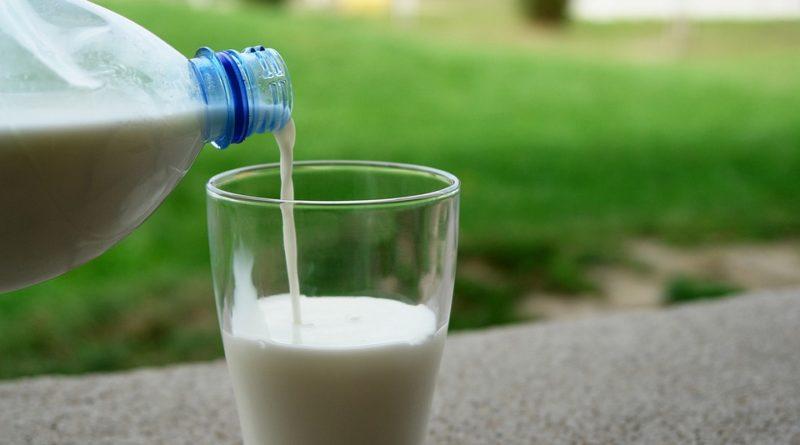



























On the 8th of February, the Center for Disease Control (CDC) issued a warning to 19 states in the US on consumption of raw milk (milk that does not undergo pasteurisation). This warning came after the identification of the third known case of drug-resistant Brucella RB51 strain infection.
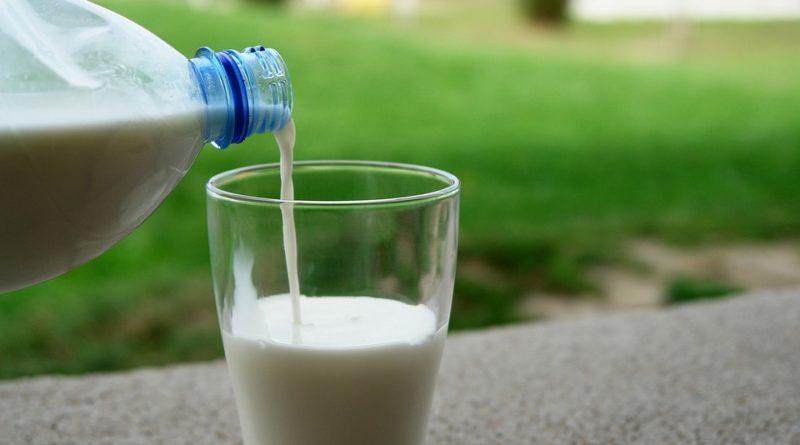
Brucellosis, the illness caused by Brucella bacteria, can supposedly be treated with first line antibiotics such as rifampin, doxycycline, gentamicin and streptomycin but the RB51 strain is resistant to rifampin and Brucellosis itself is difficult to diagnose due to limited testing options and the fact that early brucellosis symptoms are similar to those of more common illnesses like flu.
Those who did not manage to get diagnosed and treated could go on to develop more serious complications, such as arthritis, heart problems, enlargement of the spleen or liver, and in pregnant women, it can do the same thing that it does to cattle, miscarriage.
Symptoms of Brucellosis
If you have been exposed to the consumption of raw, unpasteurised milk especially if you have already developed symptoms of Brucellosis, please go and see a doctor. Initial symptoms of brucellosis can start anywhere from five days to six months after exposure and they include:
- Fever
- Sweats
- Loss of appetite
- Headache
- Fatigue
- Muscle and joint pain
Being Wary Of Claims Made By Health-Conscious Campaigns
In the midst of trends toward choosing less processed foods, health-conscious consumers are seeking natural, unprocessed foods, including fresh, locally grown produce, eggs, poultry, and meats. Such movement have also spurred the demand for raw (unpasteurized) dairy products.
However, when it comes to milk, choosing raw milk does not only exposes you to harmful bacteria but there’s also no added advantage or benefit of such consumption compared to unspasteurised milk. Many people believe that foods with little or no processing are better for their health. However, some types of processing are needed to protect our health. We make raw meat, poultry, and fish safe to eat by cooking them. We make milk safe by pasteurizing it—heating it just long enough to kill harmful germs.
According to the US Food and Drug Administration (FDA), pasteurization does not reduce milk’s nutritional value nor does it cause lactose intolerance and allergies. If you are naturally sensitive to milk proteins, you will inevitably be affected by it regardless of what forms you consume them in. As a matter of fact, a review on raw milk consumption concluded that “Claims related to improved nutrition, prevention of lactose intolerance, or provision of “good” bacteria from the consumption of raw milk have no scientific basis and are myths.”
RB51 is a strain of Brucella abortus, one of those human pathogens alongside Campylobacter sp. and E.coli, found in raw milk that would have been killed by the proses of pasteurisation. Brucella abortus is no stranger to cattle as it is the most common cause of Brucellosis, leading to infertility in adult cattle and as the name suggest, abortion. This problem upon being put into a larger context translates to large economic losses due to animal and human health problems. The RB51 strain was developed to become the ingredient of the live attenuated vaccine given to cattle to prevent them from suffering the full-blown impact of Brucellosis. However, in rare instances, some cows shed this strain into their milk providing the opportunity for it to infect human.
Hello Health Group does not provide medical advice, diagnosis or treatment.