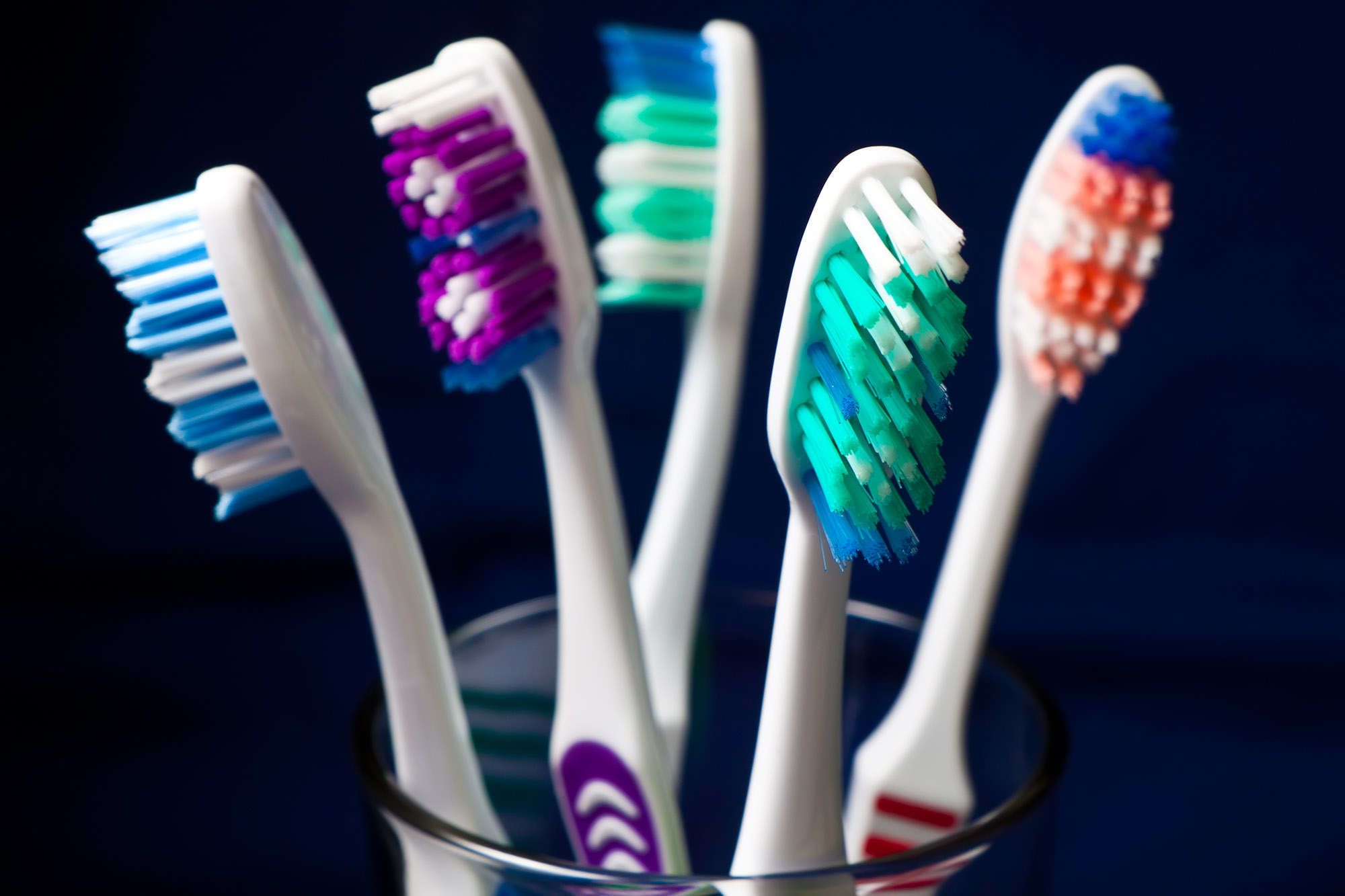





























Keeping our oral hygiene is just as important to our health as keeping our heart and body healthy. The most effective way to make sure your teeth are healthy is to brush your teeth regularly. Therefore, choosing the right toothbrush is important to remove plagues and avoid damage to the gum and teeth. Mainly, there are two types of toothbrush, electric-run toothbrush and manual toothbrush (or disposable toothbrush.)
General tips for choosing a toothbrush
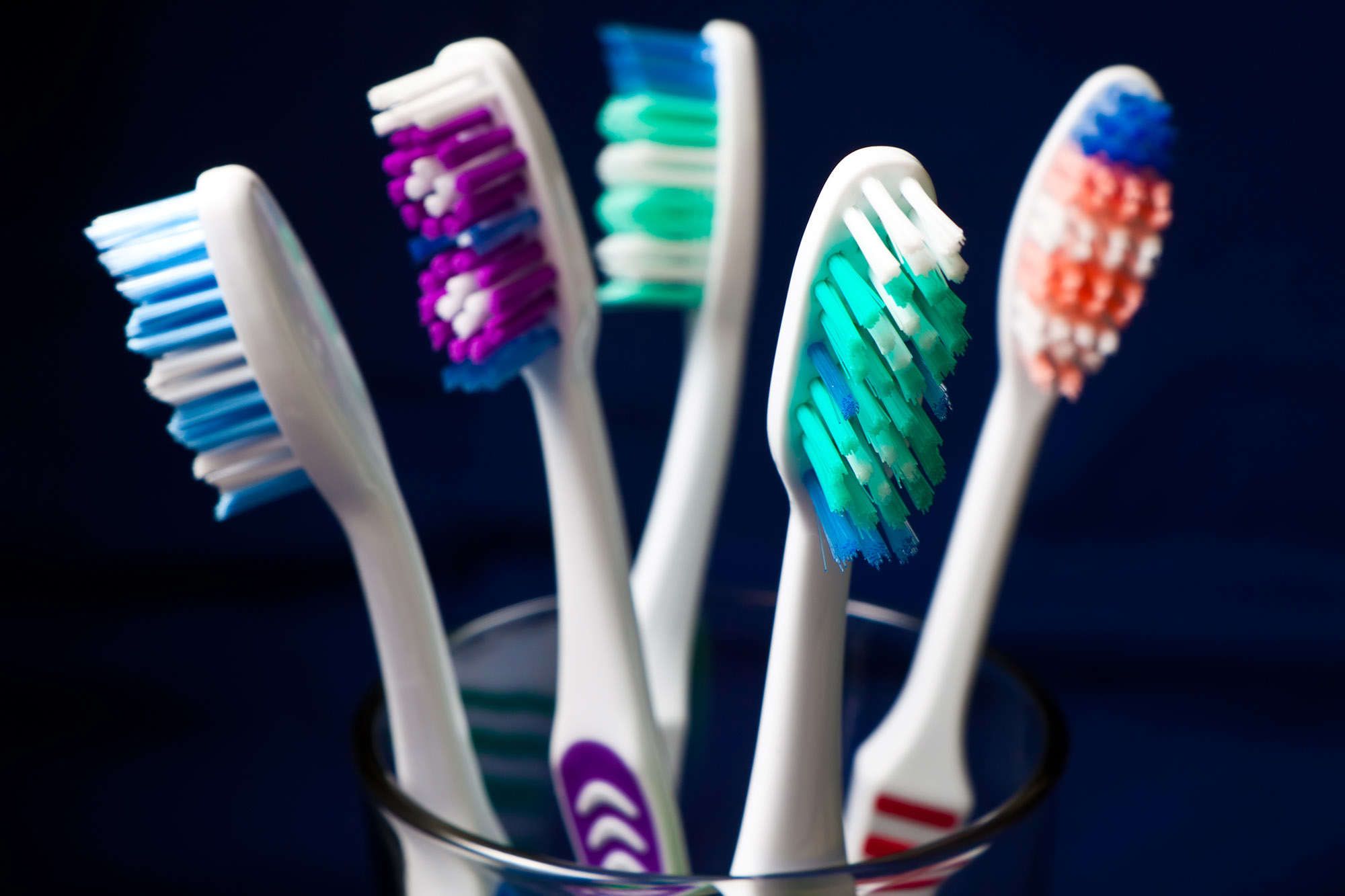
There are certain characteristics that you should look for in whatever toothbrush you choose, regardless of whether it is manual or powered.
Size
The toothbrush should easily brush the surface of your teeth and not aggravate your gum. A smaller toothbrush head will allow you to reach into the small, hard-to-reach places in the back of your teeth. The toothbrush handle should be long enough to fit in your hand comfortably.
Bristle variety
With electric toothbrush, you are able to change the bristle of the brush. Depending on the material of the bristle, the brush will be soft, medium or hard. For most people, a soft brush is the safest choice even if you tend to brush your teeth vigorously. Hard-bristled brushes could actually damage the gums, root surface, and protective tooth enamel. For even more tooth protection when you brush, be sure the bristles on the toothbrush you select have rounded tips.
Toothbrush care 101
Do not share toothbrushes
Like most things, sharing a toothbrush can lead to infection spreading via saliva and other body fluids. This practice could be a particular concern for persons with compromised immune systems or existing infectious diseases.
Care for toothbrush after using
After brushing your teeth, wash your toothbrush with water to remove any toothpaste and debris from the brush. You should keep your toothbrush in an upright position to allow the brush to air-dry until next usage. If possible, try to keep your toothbrush separated from other people’s brush to avoid cross contamination.
Don’t put your brush in cases
You might think that cases can protect the brush from dirt from the outside world. However, do not routinely cover toothbrushes or store them in closed containers. A moist environment such as a closed container is more conducive to the growth of microorganisms than the open air.
Replace toothbrushes at least every 3–4 months
The bristles become frayed and worn with use and cleaning effectiveness will decrease. Toothbrushes will wear out more rapidly depending on factors unique to each patient. Check brushes often for this type of wear and replace them more frequently if needed. Children’s toothbrushes often need replacing more frequently than adult brushes.
Toothbrushes: Disposable or electric?
As long as you clean your teeth regularly using proper brushing technique, you should be able to reduce plaque build-up and keep your gums healthy with either a manual or powered toothbrush. Here are some things to keep in mind as you go about choosing the best toothbrush:
Cost
Although there are some more affordable powered toothbrush options being sold, electric toothbrushes cost many times more than manual toothbrushes. In addition to the initial expense of an electric toothbrush, you will need to replace the removable toothbrush head as often as you replace your manual toothbrush. Of course, if using an electric toothbrush helps you keep your teeth cleaner, you may make up for the expense with a reduction in dental bills.
Likability
When it comes down to it, the best toothbrush for you is going to be the one you’re most likely to use – and use well. Some people may not like the vibrating feeling of a powered toothbrush. Others might find an electric variety easier to use to clean all tooth surfaces. This may be especially true for people with conditions that limit mobility, such as painful arthritis. If you enjoy using your toothbrush, you’re more likely to brush for the recommended length of time – two minutes. Some powered varieties even have a built-in timer to let you know when you’ve devoted enough time to brushing.
Effectiveness
Numerous scientific studies have been conducted to investigate whether manual or powered toothbrushes are more effective at reducing gum disease and eliminating plaque. A review of nearly 30 studies comparing disposable and electric toothbrushes found that, overall, there was not a significant difference between electric and manual toothbrushes in their ability to remove plaque and prevent gum disease. But, evidence suggests that a certain type of powered toothbrush called a rotation oscillation toothbrush (the bristles go round and round and back and forth) is more effective than manual toothbrushes.