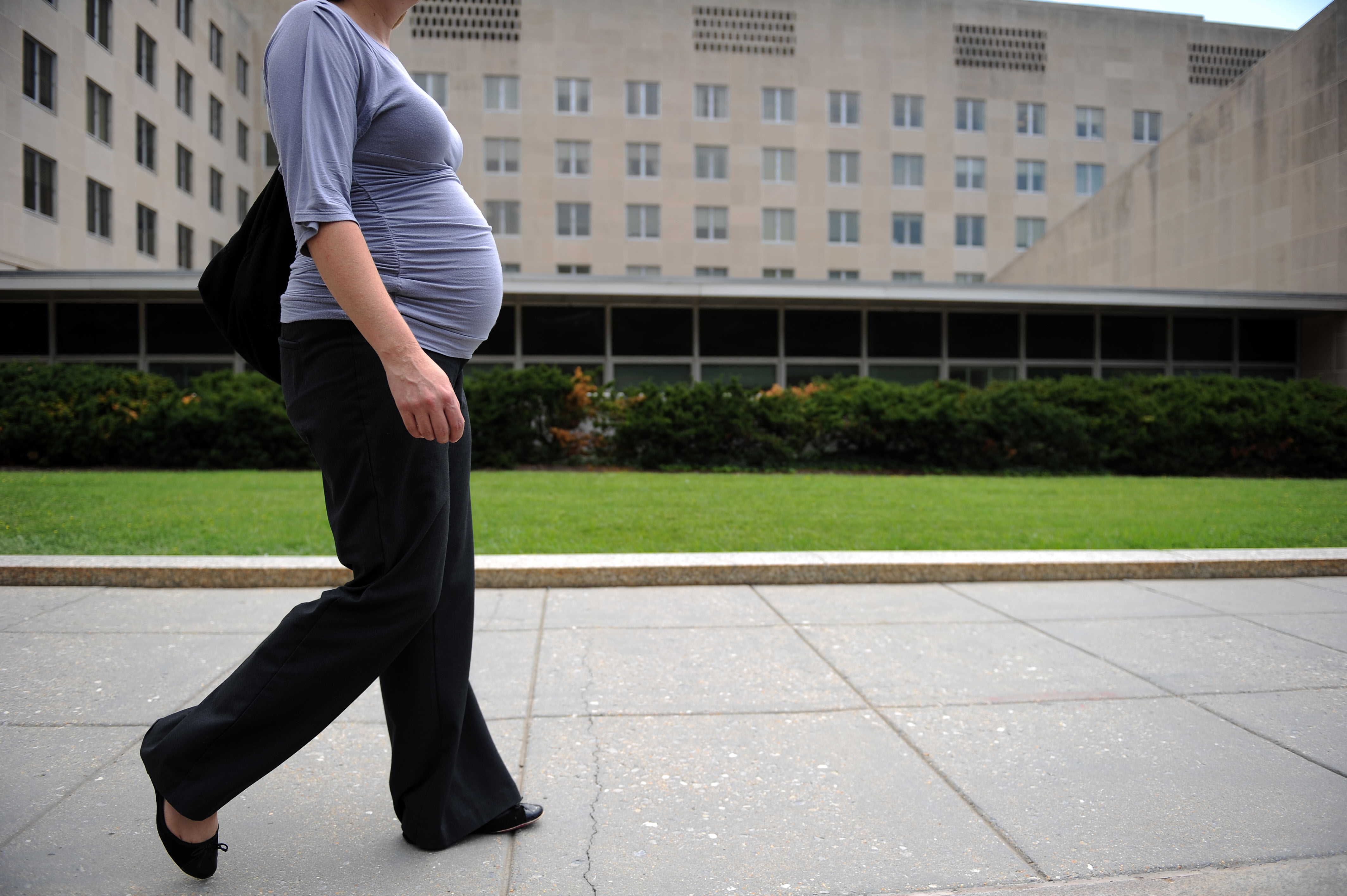



























It is not bad to walk too much during pregnancy. In fact, walking is one of the best ways to get exercise during pregnancy. However, there are many who believe in the myths surrounding walking and pregnancy.
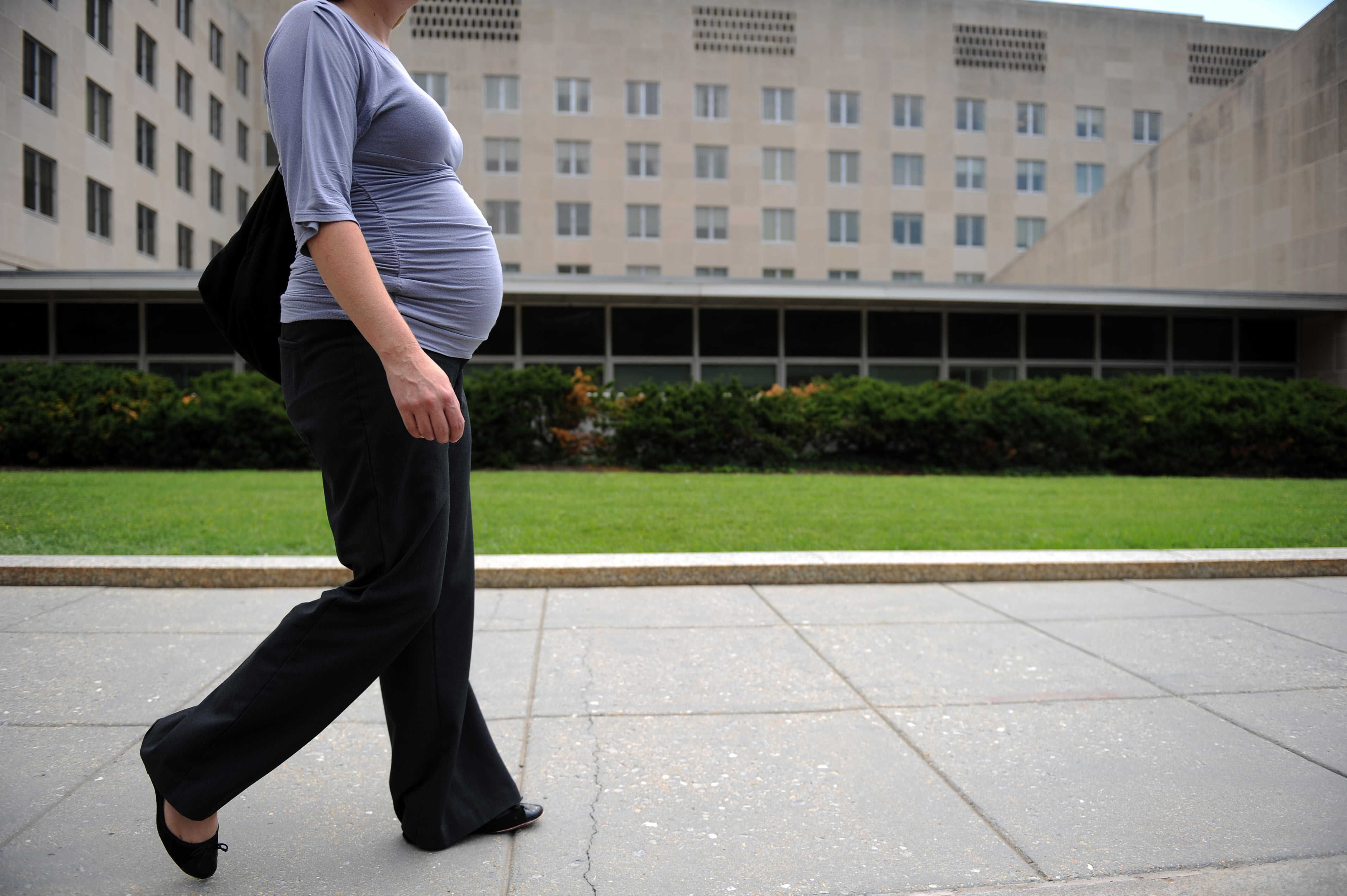
Is walking a good pregnancy exercise?
Walking is a great, safe exercise for mums-to-be. It’s an ideal way to make sure that you’re getting the exercise you need in pregnancy.
The U.S. Department of Health and Human Services recommends that women do at least 30 minutes of exercise like walking every day. Even those in an active profession that requires walking can benefit from the addition of a walking program for exercise. Among the physical benefits, walking can help you clear your mind and relieve stress.
Brisk walking works your heart and lungs, without jarring your knees and ankles. It’s also a free activity that you can easily incorporate into your daily life, so you’ll be more likely to keep it up. For extra motivation, go for walks with friends and family. This can help to pass the time and encourage you to walk for longer stretches.
What are the benefits of walking during pregnancy?
Walking while you are pregnant can greatly benefit you and your growing baby. Walking can help you gain just the right amount of weight. Gaining too much can lead to premature delivery or a large baby. Walking helps your body deal with the aches and pains of pregnancy. A fitter body is more able to carry around a growing baby with less fatigue. In addition, you’ll be preparing your body for childbirth, an endurance activity by itself. Exercise can also help prevent pregnancy-related complications like gestational diabetes, which can impact the health of you and your child. Finally, walking can help reduce swelling; moving around can help reduce the fluid buildup in your legs, ankles and feet that come with pregnancy.
How can I prepare for walking in pregnancy?
Before you start an exercise program, speak with your doctor. If you walked regularly before being pregnant, keep doing it.
If you’re new to walking, start with a short, 5-minute comfortable stroll, three times a week, then slowly increase the duration. Jogging may even be OK for some women early in pregnancy, but this depends on your exercise regimen before becoming pregnant and your overall health. Speak with your doctor before jogging while pregnant.
Once you’ve got into the habit of walking regularly, you can build up to faster, 30-minute walking sessions, four or more times a week. NHS guidelines recommend walking for 150 minutes a week in pregnancy, which is a 30-minute walk, five times a week. If you only walk now and then, you won’t get the benefits of regular exercise.
Try to be active every day. While you’re walking, you may want to try doing your pelvic floor exercises. But if you really can’t manage that, any walking will still be of some benefit to you.
If you have a high fitness level you can walk for longer. Just be sure to slow down or stop if you feel overtired, unwell, or feel any pain. Your body will generally be able to tell you when it’s time to stop.
Wear sunscreen and a hat if you’re walking on a sunny day, and take a bottle of water with you to help prevent dehydration. Being dehydrated can raise your body temperature, and overheating isn’t good for you or your baby.
How should I adapt my walking throughout pregnancy?
First trimester
You won’t need to stray too far from your usual walking habits. Wear walking shoes or comfortable trainers, to give your feet the support they need. When you’re walking, place your heel on the ground first, and then roll onto your toes, rather than placing your feet flat on the ground.
If it’s hot and humid outside, give brisk walking a miss, or slow your pace. Or try another form of exercise, such as swimming.
Second trimester
You will probably feel more energetic now than you felt in your first trimester, and walking may seem easier. You may even be able to increase the distance that you walk. However, you may feel more unwieldy now that your bump is starting to show.
Keep your back straight, your head and chin level, and your eyes on what lies ahead. You can swing your arms to aid balance and intensify your workout, if you like. Keeping a good posture when you walk will ensure that you don’t strain your back.
You may notice that the way you walk is changing now, and you may waddle slightly. This is because your body is adjusting to all the changes that are happening to you. Your hips and ankles are doing a lot of the work, so they may ache if you overdo things. Listen to your body, and don’t walk to the point of exhaustion.
If you’re struggling to carry on a conversation while you’re walking, slow down a bit, or consider walking for shorter periods.
Third trimester
Keep walking for as long as you can, though you may want to avoid steep or uneven paths that could put you off-balance. If you have any pelvic or back pain while walking, talk to your midwife or doctor. They may refer you to a physiotherapist.
Staying active is beneficial for you and baby. Getting started on a regular exercise program during pregnancy depends on your level of fitness before you became pregnant. Always consult with your doctor about a fitness routine before starting one.