























Allergic conjunctivitis
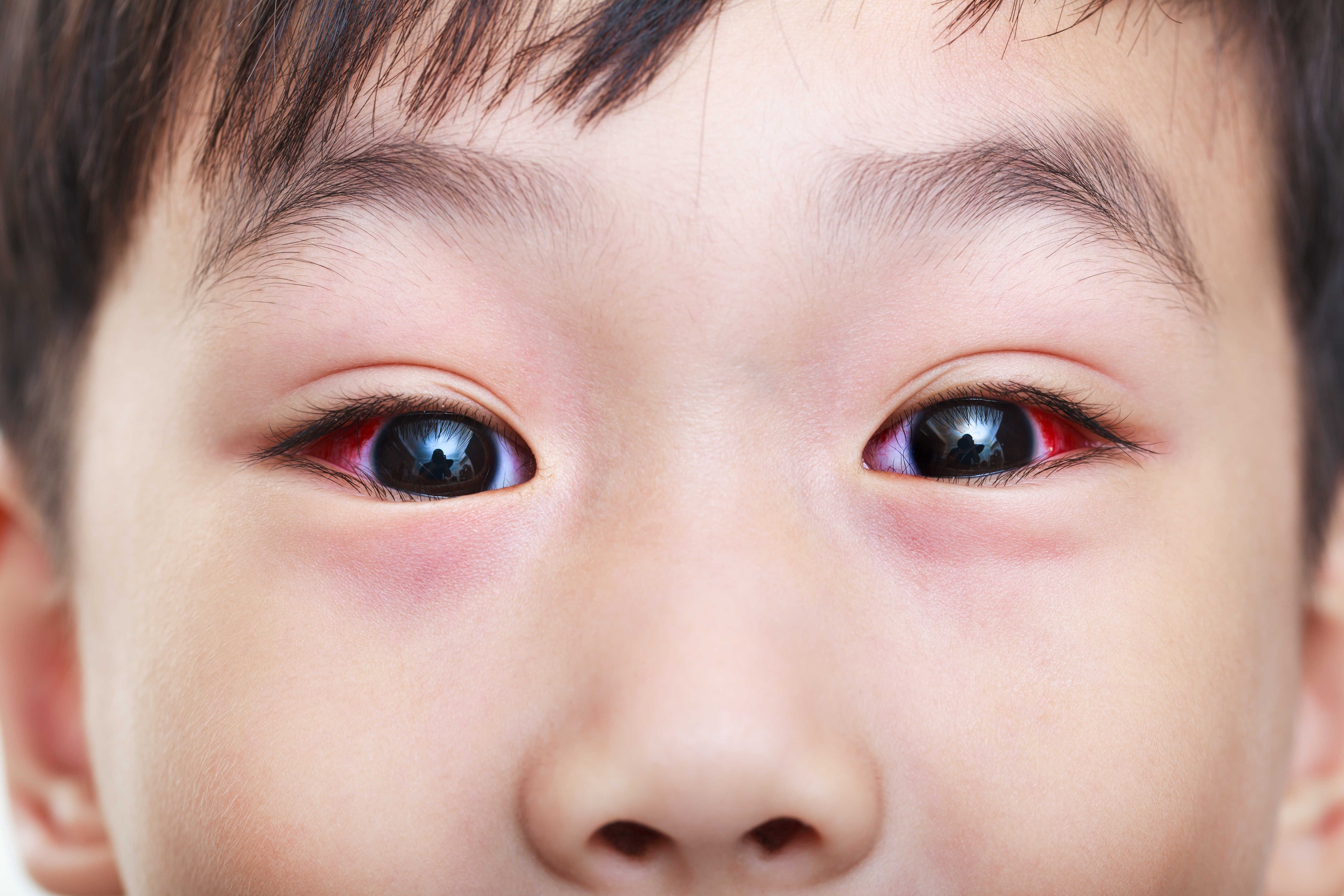
When your eyes are exposed to allergen such as pollen, mold, they can become red, itchy, irritated and watery. These are the symptoms of allergic conjunctivitis. It is an inflammation of the eye caused by allergic reactions to certain substances. Allergic conjunctivitis is a fairly common disease.
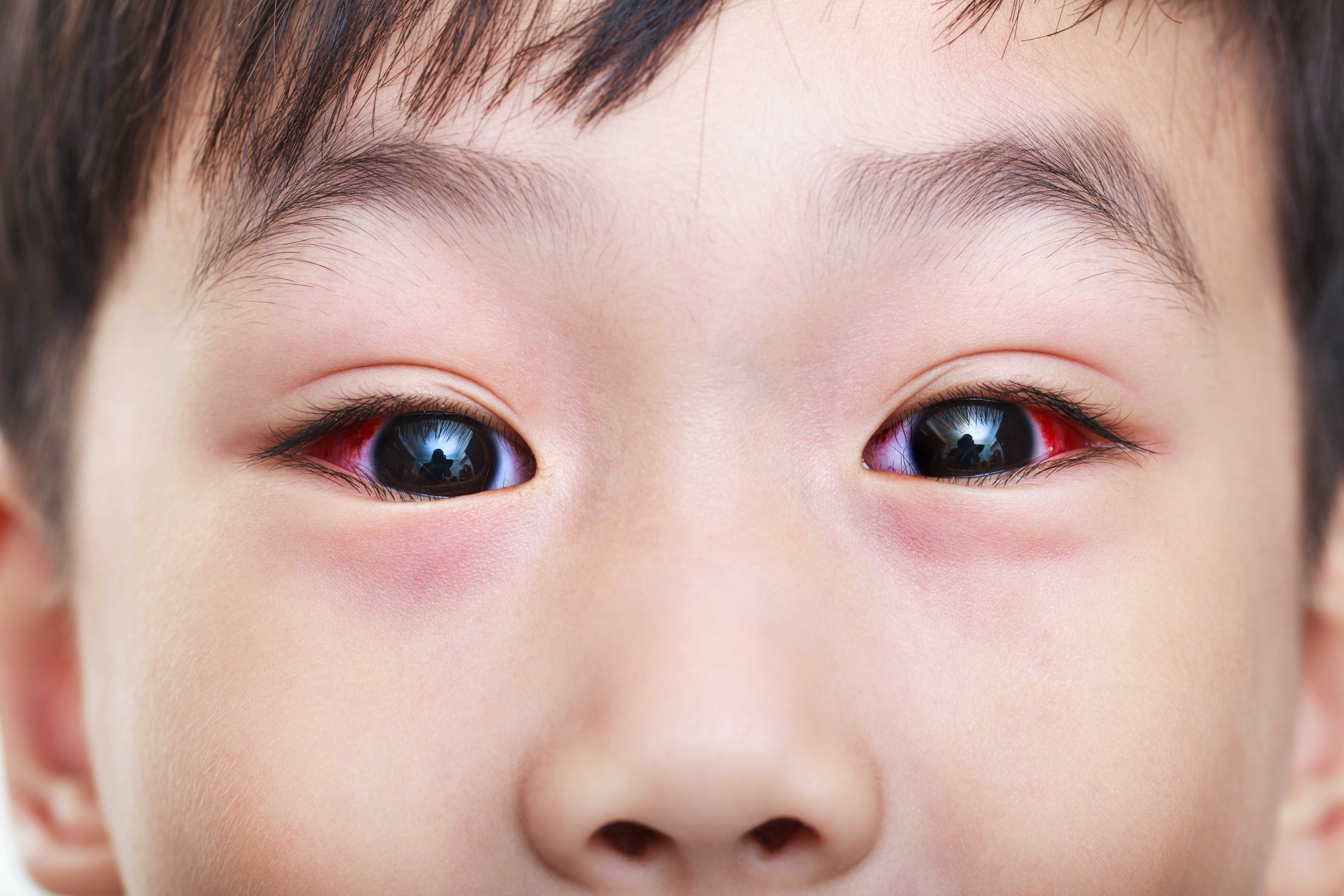
Like all allergies, allergic conjunctivitis occurs when the immune system identifies a harmless substance as an allergen. This causes the immune system to overreact and produce antibodies called immunoglobulin (IgE). These antibodies travel to cells and release of the intermediate chemicals causing allergic reactions. The conjunctiva is the thin membrane covering the outer eyelid and inner eyelid. And, the eyelids are very sensitive organs with stimuli such as seasonal allergens.
The most common causes of allergic conjunctivitis are seasonal allergens like pollen and mold spores. Indoor allergens such as dust mites and pet hair can also cause eye allergies all year round. Eye allergy symptoms can be very uncomfortable. However, it is less threatening except the possible temporarily blinded eyesight. Unlike illnesses such as pink eye, allergic conjunctivitis is not contagious.
Allergy medication such as antihistamines can reduce the symptoms. When you have an allergy, you should use saline eye drops to rinse the eye after going out and use sunglasses.
Allergic vasculitis
Vasculitis is an inflammation of the small blood vessels under the skin. It causes changes in the circuit as thickening, weakening, narrowing the vessels and scares. Hypersensitivity vasculitis is a form of acute vasculitis characterized by inflammation or redness at the small blood vessels under the skin.
Allergic vasculitis occurs when the immune system misidentifies blood vessel cells to bacteria, allergens. It is mainly due to allergies to drugs, infections (bacterial or viral) or contact with the mutant organisms that can cause allergies. Some medications cause the most common allergies include penicillin, sulfonamide, some antihypertensive drugs (Phenytoin, Dilantin, antiepileptic drugs). Hypersensitivity vasculitis can also be stimulated by bacterial infection or chronic viruses such as HIV or hepatitis B and C. People with autoimmune disorders such as systemic lupus erythematosus often experience similar skin disease.
Inflammation and blood vessel damage cause initial symptoms of vasculitis. A few palpable petechia can appear on the skin. These spots are either red or purple, mostly in the legs, hips and body. Patients’ skin can appear blisters or hives as a result of allergic reactions. The less common symptoms include joint pain, lymph nodes swollen, nephritis (rare).
When the cause is due to drug allergy, symptoms usually appear within 7-10 days. Some people may experience symptoms 2 days after drug use.
Currently, there is no treatment to full recover for hypersensitivity vasculitis. The main goal is to reduce the symptoms of patients. If it is really due to drug , thing to do is to stop using them. Also, you should not arbitrarily stop using any medication without a doctor’s prescription. The symptoms usually go away within a few weeks after stopping the medication.