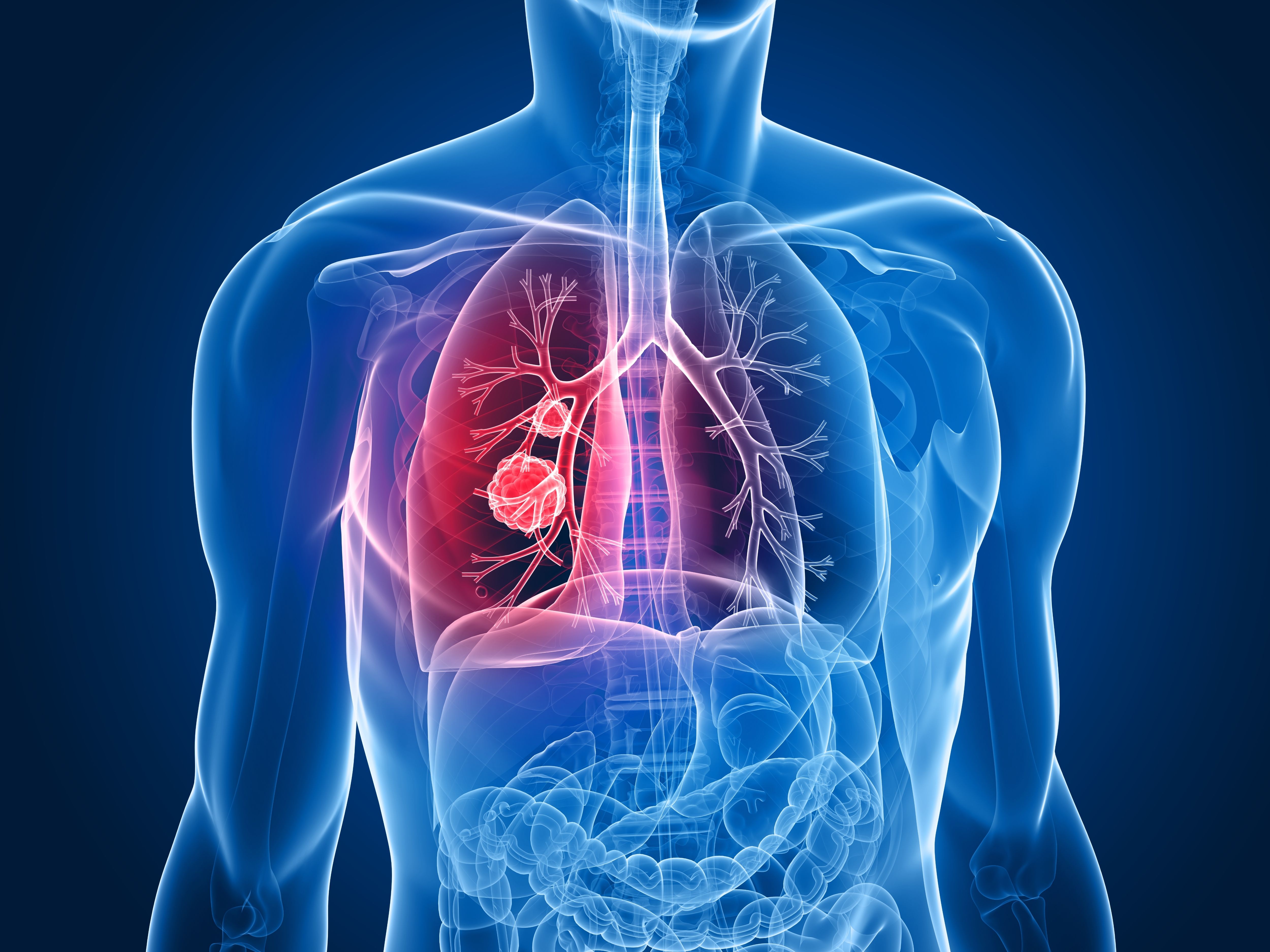














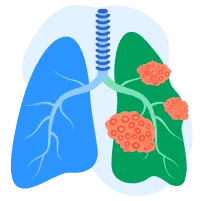












Lung cancer is a silent and deadly disease. It has the highest death in all types of cancer with 1.59 million deaths in 2012 according to a report by the World Health Organization (WHO). One reason for such a high number is because it is hard to diagnose lung cancer early. In approximately 40 percent of people diagnosed with lung cancer, the diagnosis is made after the disease has advanced. In one-third of those diagnosed, cancer has reached stage 3. Here are some warning signs of lung cancer that you should not ignore:
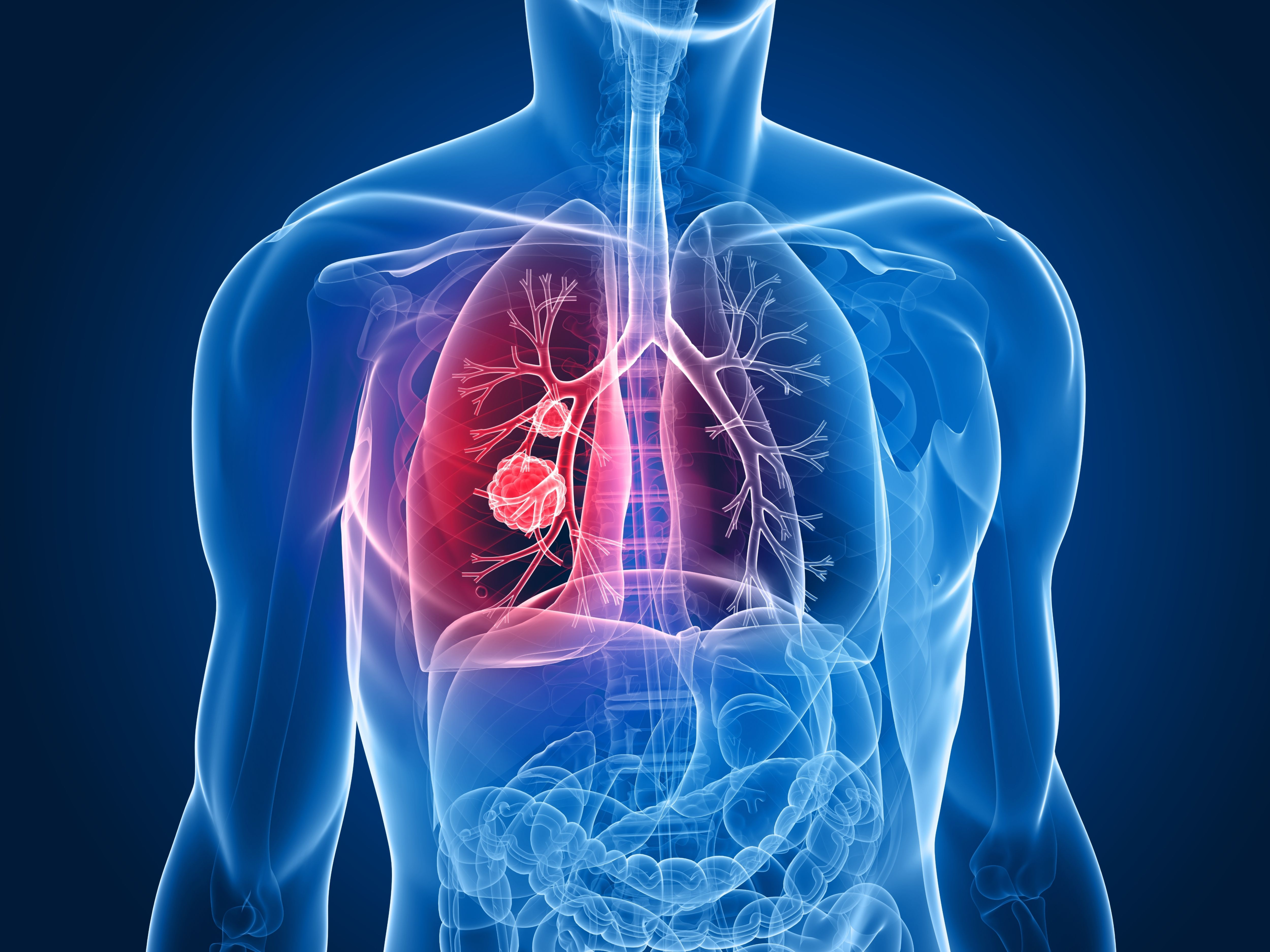
1. You have coughing that can’t be treated
It is quite common to cough. You can cough because of a cold or from getting food down the wrong pipe. However, if the coughing doesn’t stop after the cold is gone or doesn’t get better with medication, you should see your doctor listen to your lung or get an x-ray check.
2. You notice a change in your cough
A chronic cough is often a symptom of other conditions such as GERD, asthma or hay fever. However, if the nature of the cough changes (such as from a dry cough to cough up mucus or blood) it is time to see the doctor.
3. You have shortness of breath even after normal activities
If you often have shortness of breath or have a whistling noise when you breathe, these might symptoms of lung cancer. You can have difficulty in breathing because of a tumor blocking your airway or the fluid around the lungs increase, thus pressing on your lungs. Because it is normal for us to be out of breath, we often ignore it. But when you cannot breathe doing normal activities such as after climbing the stairs, bringing in groceries, or performing another task you could previously do without finding it hard to breathe, see your doctor for medical attention.
4. You have chest pain
While lung cancer tumor that develops in the center of the lung doesn’t cause pain, a specific type of lung cancer that occurs in the outer parts of the lungs and chest wall can cause pain. Lung cancer may produce pain in the chest, shoulder, or back area. When lung cancer causes chest pain, the discomfort may result from enlarged lymph nodes or metastasis to the chest wall, pleura (lining around the lungs), or the ribs.
5. You can hear yourself wheezing
Wheezing is a whistling sound that your lungs make when it is constricted, blocked or inflamed. Wheezing can be a sign of many different health conditions such as allergies and asthma. Don’t ignore it! If your wheezing does not get better, you should let your doctor know right away. It is better to know what it is than to assume it is nothing.
6. Your voice changes
Your voice often gets hoarse after a cold or after a long period of no usage such as when you wake up from your sleep. But if you hear changes or if someone points out changes in your voice, if your voice gets deeper, hoarse, or raspier, get checked out by your doctor. If your hoarseness doesn’t get better after two weeks with medication, it is a good idea to see the doctor. The lung cancer tumor might have affected your voice box, thus causing changes in your voice.
7. You lose weight
Rapid weight loss is never a good sign. People with lung cancer often experience losing weight in a short amount of time because the cancer cells are using all the energy and nutrition. Don’t’ ignore changes in your weight, especially if it occurs when you don’t make any changes to your diet and lifestyle. It may be a clue to a change in your health.
8. You experience pain in your bones
Advanced lung cancer can cause bone pain. Most people with bone cancer are older people so they might write off a bone pain as getting old. Bone pain from lung cancer often focuses in the back or in the shoulder, arm, or neck, although this is less common. Lung cancer pain often gets worse when you rest and during the night. Pain is never a good sign. Thus don’t ignore the pain in any area of your body and get check up as soon as possible.
9. You have a headache that won’t go away
The most dangerous pain you can have from lung cancer is a headache. This may indicate that cancer has spread (metastasized) from your lungs to your brain. This is something you don’t want. In some cases, lung cancer can cause headaches because the tumor is pressing on a nerve that runs through the chest area. This pressure can trigger headaches. If you have a headache that cannot be relieved you should let your doctor know right away.
There are also other signs and symptoms that might indicate lung cancer such as a fever, extreme tiredness (fatigue), difficulty eating or swallowing, lack of appetite, or unusual lumps on your body. It is important to let your doctor know any changes in your health. If you have a family history of lung cancer or is a smoker, you might want to get a routine checkup and screening. Early diagnosis can make all the difference in lung cancer survival.